



On September 21, 2026, Apple officially opened the claims administration portal for its landmark $250 million nationwide class-action settlement. The litigation resolves extensive allegations that the Cupertino technology giant engaged in deceptive trade practices and false advertising by aggressively marketing an overhaul of its voice assistant, termed "Siri AI" or "The All-New Siri," to drive purchases of flagship smartphones before the underlying technology was functional.
For millions of consumers across the United States who purchased qualifying iPhone models between June 2024 and March 2025, the launch of the dedicated settlement website marks the transition from courtroom maneuvering to direct financial restitution. Eligible claimants are now able to submit verification details to receive cash disbursements estimated at $25 to $95 per device. However, beyond the immediate financial payouts, the lawsuit exposes the engineering compromises, memory bottlenecks, and high-stakes marketing gambles that defined Silicon Valley's initial rush to commercialize generative artificial intelligence.
The Broken WWDC 2024 Promise: What Was Advertised vs. What Shipped

The origin of the $250 million legal dispute traces back to June 10, 2024, during Apple's Worldwide Developers Conference (WWDC24). Faced with immense investor anxiety regarding the rapid rise of OpenAI's ChatGPT and Google's Gemini ecosystem, Apple unveiled Apple Intelligence alongside a cinematic preview of an upgraded Siri. Unlike traditional voice queries that relied on rigid intent templates, the new assistant was demonstrated performing three transformative tasks:
- On-Screen Awareness: Comprehending active visual elements displayed inside any native application and acting upon that context instantly.
- Personal Contextual Grounding: Parsing local communications, email archives, calendar commitments, and media files to answer complex, personalized queries without explicit user prompting.
- Deep In-App Action Orchestration: Programmatically executing multi-step workflows across native and third-party applications via semantic App Intents.
Apple positioned these capabilities as the defining, non-negotiable hardware differentiator for its upcoming product cycle. Crucially, the company restricted Apple Intelligence compatibility to devices with at least 8GB of unified memory—specifically the iPhone 15 Pro, iPhone 15 Pro Max, and the subsequently released iPhone 16 family. Consumers purchasing these premium devices at price points ranging from $799 to over $1,599 reasonably expected the showcased features to arrive upon or shortly after commercial retail launch in autumn 2024.
Instead, the software rollout stalled. When iOS 18 launched in September 2024, the personalized, context-aware Siri was completely absent. Apple quietly altered website disclaimers, pushing the feature release into early 2025 with iOS 18.4, and later deferring the most sophisticated cross-app capabilities deep into subsequent software cycles. The plaintiffs in the class-action complaint contended that Apple used non-existent software capabilities as an inducement to convince owners of functional older hardware to purchase expensive upgrades under false pretenses.
Inside Apple Engineering: Why Siri AI Slipped
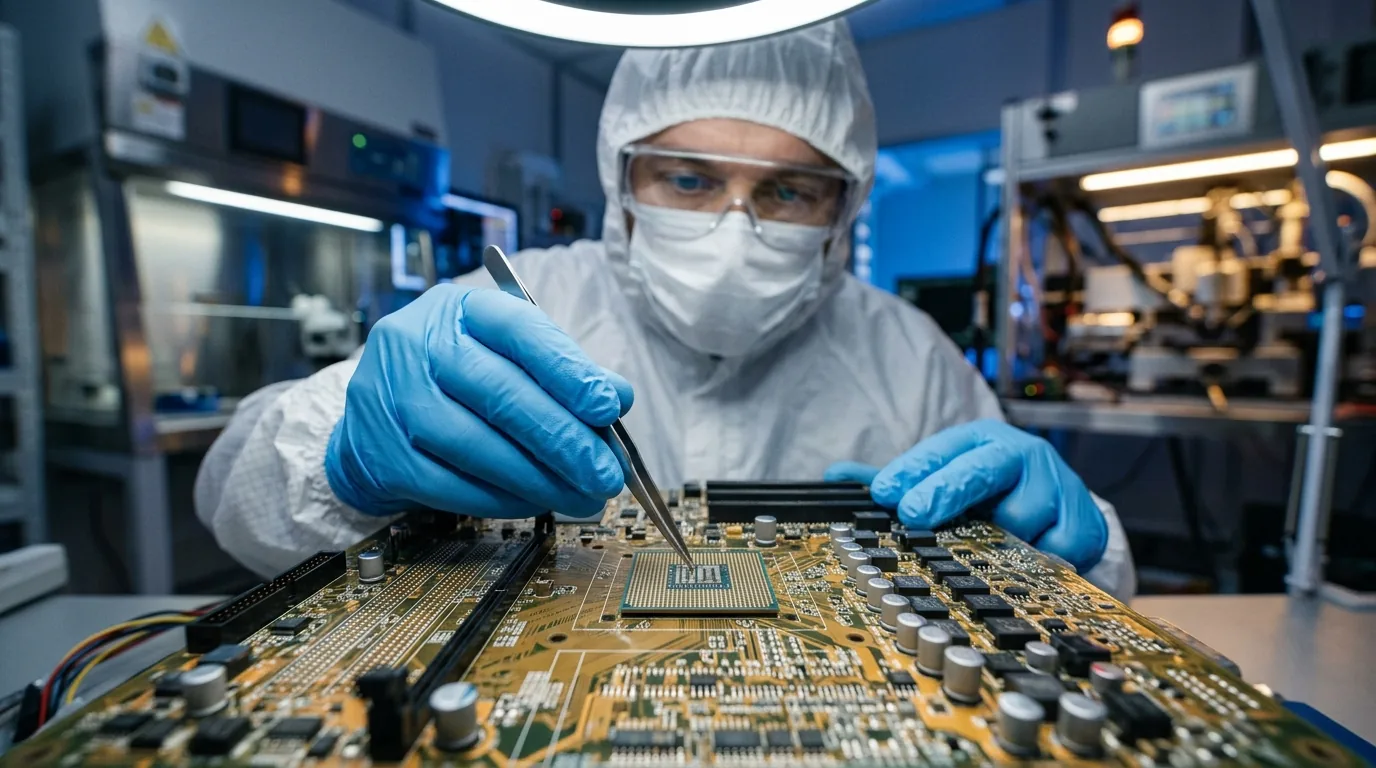
While marketing executives projected seamless execution on stage, insider accounts and depositions generated during pre-trial discovery illustrate severe architectural friction between Apple's machine learning teams and operating system engineers. The foundational roadblock was not a lack of vision, but the brutal physical constraints of consumer mobile hardware.
Apple insisted upon a strict on-device privacy architecture, stipulating that personal context and screen scraping must never leave the user's phone unless routed through proprietary Private Cloud Compute nodes. However, executing a 3-billion-parameter multimodal small language model (SLM) continuously in the background consumed between 3.5GB and 4.2GB of active RAM. On an iPhone 15 Pro or standard iPhone 16 equipped with only 8GB of total unified memory, running this model while maintaining an active camera pipeline, background system processes, and graphics-intensive games created immediate memory pressure, causing unprompted app termination and aggressive thermal throttling.
Furthermore, semantic App Intents required third-party software developers to completely rewrite their internal data models to conform to Apple's nascent schema. Progress was glacial, and latency benchmarks repeatedly failed internal release gates. As detailed in our analysis of the iOS 27 beta roadmap, Apple eventually had to redesign its system-level neural pipelines and introduce dedicated materialization drivers in later operating system generations just to achieve consistent local execution.
Settlement Eligibility and How to File a Claim
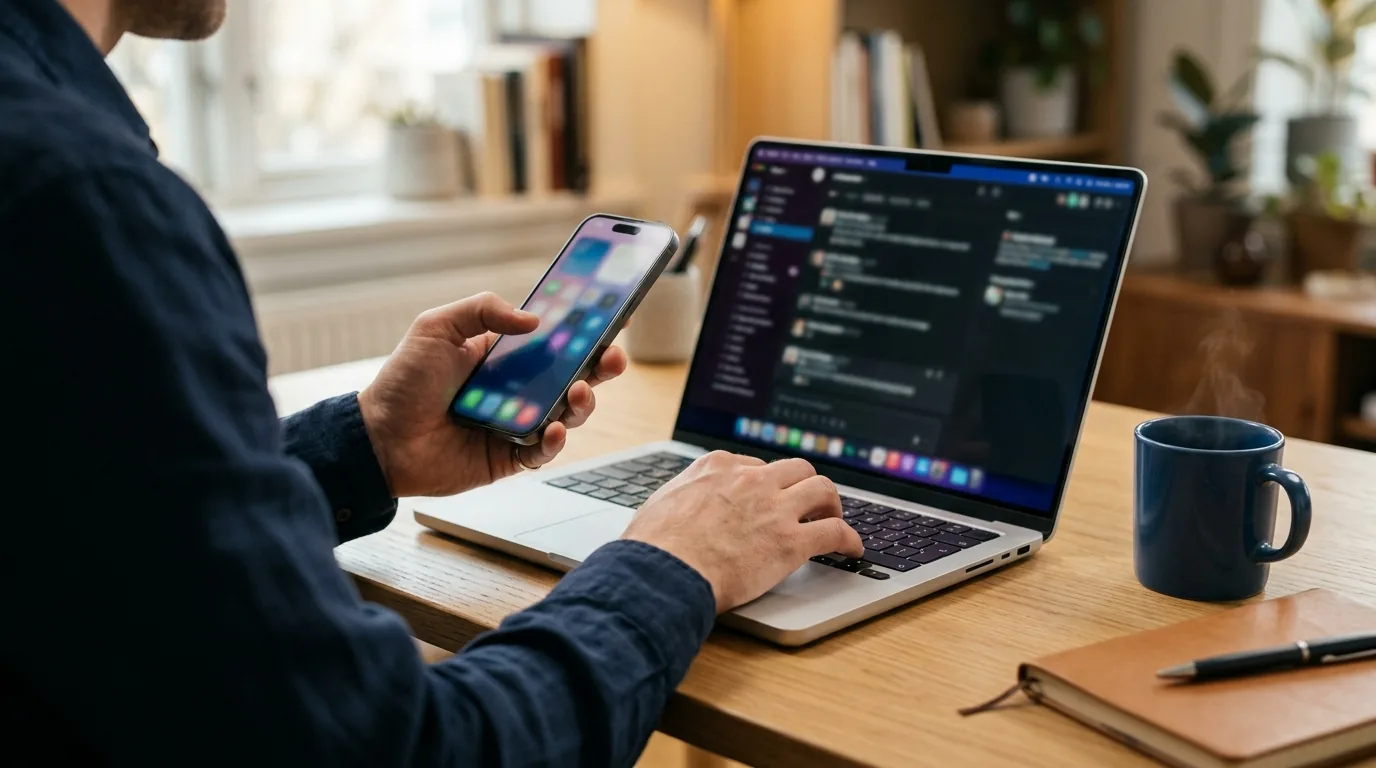
The settlement agreement established a streamlined, fully digital claims process administered through the court-authorized website at smartphoneaisettlement.com. To participate in the $250 million fund, individuals must satisfy specific qualifying criteria:
- Geographic Requirement: Must be a United States resident.
- Eligible Device Purchase: Purchased an iPhone 15 Pro, iPhone 15 Pro Max, iPhone 16, iPhone 16 Plus, iPhone 16e, iPhone 16 Pro, or iPhone 16 Pro Max as a new device.
- Qualifying Purchase Window: The purchase must have occurred between June 10, 2024, and March 29, 2025.
Claimants must submit their device serial number or IMEI, which can be verified directly under Settings > General > About on iOS. The claims administrator will cross-reference submitted identifiers against Apple's internal activation and point-of-sale databases. No physical store receipts or paper documentation are required for standard submissions.
The estimated baseline cash payout is $25 per device. However, the settlement structure contains a pro-rata redistribution clause. If fewer than expected eligible owners submit claims before the deadline, the per-device payment will scale upward dynamically to a maximum ceiling of $95 per device. Conversely, if total claims exceed the net settlement pool after administrative expenses and court-approved attorney fees are deducted, payments will adjust downward proportionately.
Key procedural deadlines for claimants include:
- Claims Open Date: September 21, 2026.
- Claims Submission Deadline: December 21, 2026, at 11:59 PM Pacific Time.
- Opt-Out / Exclusion Deadline: January 15, 2027.
- Final Approval Hearing: February 24, 2027.
The Broader Impact: An End to Vaporware AI Marketing

Although Apple formally denied all allegations of liability or wrongdoing in the settlement paperwork—affirming that it agreed to resolve the matter solely to avoid the immense expenses and distractions of prolonged trial proceedings—the case establishes a profound commercial precedent across the technology sector.
For decades, consumer electronics manufacturers operated under a product cycle philosophy colloquially known as "ship the hardware now, patch the software later." In the high-velocity generative AI era, however, this habit escalated into pre-announcing speculative, non-existent capabilities months ahead of real-world viability. By extracting a quarter-billion-dollar penalty, the plaintiffs' bar has delivered an unmistakable warning to hardware manufacturers: marketing generative artificial intelligence as the primary consumer purchase justification creates enforceable contractual expectations under state and federal consumer protection statutes.
Hardware competitors including Google, Samsung, and Microsoft have already begun moderating promotional language for subsequent device generations, transitioning away from broad promises of autonomous capability toward verified, day-one shipping features. For consumers, the settlement provides not only welcome monetary compensation, but a necessary dose of accountability for a technology industry that had grown dangerously comfortable promising the future before solving the present.
Frequently Asked Questions
How much money will I receive from the Apple Siri AI settlement?
Eligible claimants are expected to receive approximately $25 per qualified device. The final amount may increase up to a maximum of $95 per device if fewer claims are filed, or adjust slightly downward if valid claim volume exceeds initial projections.
Which iPhone models qualify for compensation?
Eligibility is restricted to devices marketed as supporting Apple Intelligence that were purchased in the United States between June 10, 2024, and March 29, 2025. Qualifying models include the iPhone 15 Pro, iPhone 15 Pro Max, iPhone 16, iPhone 16e, iPhone 16 Plus, iPhone 16 Pro, and iPhone 16 Pro Max.
Where and when can I file my claim?
Claims can be filed online at the official court-approved portal, smartphoneaisettlement.com. The portal opened on September 21, 2026, and will close to submissions on December 21, 2026.
When will settlement payments actually be distributed?
Payments will not be issued immediately. The court has scheduled a final fairness hearing for February 24, 2027. Assuming the judge grants final approval and no subsequent appeals are lodged, digital and check disbursements are anticipated to begin in late spring or summer 2027.
Do I need to return my iPhone or prove I used Siri to get paid?
No. You do not need to return your device or prove that you actively attempted to use Siri AI features. You only need to verify your ownership of an eligible device purchased within the qualifying date window by submitting your device's serial number or IMEI.


Loading comments…