



The mirrorless camera market in 2026 is the most competitive it has been in the history of the format. The four mount systems, Sony E/FE, Canon RF, Nikon Z, and Fujifilm X, all have credible flagship and mid-range options, and the right answer for most photographers is to stay within the system they already own. The lens lineup is the long-term commitment, the camera body is a 3-5 year refresh. This guide ranks the 2026 mirrorless field for the three things that matter for photography specifically: autofocus accuracy, sensor quality, and lens ecosystem.
The picks below are based on DPReview's 2026 buying guide, Amateur Photographer's 2026 picks, Wirecutter's 2026 mirrorless guide, and Photography Life's 2026 ranking. The numbers are from manufacturer specs and independent reviews. Where the picks diverge between the four sources, the consensus across the sources wins.
What "mirrorless camera" actually means in 2026
A mirrorless camera is an interchangeable-lens camera with an electronic viewfinder instead of an optical one. The mirror mechanism in a DSLR is gone, replaced by a sensor that feeds the EVF directly. The advantage is smaller bodies, faster burst rates, better video autofocus, and real-time exposure preview. The disadvantage is shorter battery life on entry-level bodies and the EVF lag in some older models. In 2026, the EVF lag is below 5ms on every camera above $1,000, and the battery life on the latest models is 600-700 shots per charge, which is comparable to mid-range DSLRs.
The four mount systems in 2026 are Sony E/FE (full-frame and APS-C), Canon RF (full-frame and APS-C), Nikon Z (full-frame and APS-C), and Fujifilm X (APS-C) and GFX (medium format). The right answer for a new buyer is to choose the system with the lens lineup that fits the kind of photography you will do, not the camera body with the best specs. A 5-year-old lens still works on the newest body, but a 5-year-old body forces you to replace lenses you already own when you switch mounts.
At a glance
| Field | Detail |
|---|---|
| Best overall full-frame | Sony A7 V (33MP, 30fps, 8K video, $2,499) |
| Best for Canon shooters | Canon EOS R5 II (45MP, 30fps, 8K60p, $4,299) |
| Best for Nikon shooters | Nikon Z6 III (24MP, 14fps, 6K RAW, $2,499) |
| Best APS-C | Fujifilm X-T5 (40MP, 15fps, $1,699) |
| Best for action / wildlife | Sony A1 II (50MP, 30fps, 8K, $6,499) |
| Best medium format | Fujifilm GFX 100S II (102MP, $7,499) |
| Best value full-frame | Nikon Z5 II (24MP, $1,499) |
| Best compact full-frame | Sony a7C II (33MP, $2,199) |
| Best for video | Canon EOS R6 V (7K60p RAW, $2,899) |
| Best enthusiast all-rounder | Panasonic Lumix S1II (24MP, $2,499) |
The 2026 mirrorless camera field
| Camera | Sensor | Burst | Video | Best for | Price |
|---|---|---|---|---|---|
| Sony A7 V | 33MP FF BSI | 30fps e-shutter | 4K 120p, 8K 30p | All-rounder, hybrid | $2,499 |
| Sony A1 II | 50MP FF stacked | 30fps e-shutter | 8K 30p, 4K 120p | Action, wildlife, sport | $6,499 |
| Sony a7C II | 33MP FF BSI | 10fps | 4K 60p | Compact full-frame | $2,199 |
| Canon EOS R5 II | 45MP FF stacked | 30fps e-shutter | 8K 60p RAW | Action, video, hybrid | $4,299 |
| Canon EOS R6 III | 24MP FF | 40fps e-shutter | 4K 120p | Enthusiast all-rounder | $2,499 |
| Canon EOS R6 V | 24MP FF | 40fps e-shutter | 7K 60p RAW | Video specialist | $2,899 |
| Nikon Z9 | 45MP FF stacked | 20fps e-shutter | 8K 60p | Flagship, action | $5,499 |
| Nikon Z6 III | 24MP FF partially-stacked | 14fps | 6K RAW, 4K 120p | Enthusiast full-frame | $2,499 |
| Nikon Z5 II | 24MP FF | 7.5fps | 4K 30p | Value full-frame | $1,499 |
| Fujifilm X-T5 | 40MP APS-C X-Trans | 15fps | 6K 30p | APS-C enthusiast | $1,699 |
| Fujifilm GFX 100S II | 102MP MF | 7fps | 4K 30p | Medium format studio | $7,499 |
| Panasonic Lumix S1II | 24MP FF | 30fps e-shutter | 6K 30p, 4K 120p | Enthusiast all-rounder | $2,499 |
The 12 cameras above are the only ones to consider in 2026. The four systems are mature, every camera has credible autofocus and credible video, and the right answer for most buyers is the system they already have lenses for.
The picks
Best overall: Sony A7 V
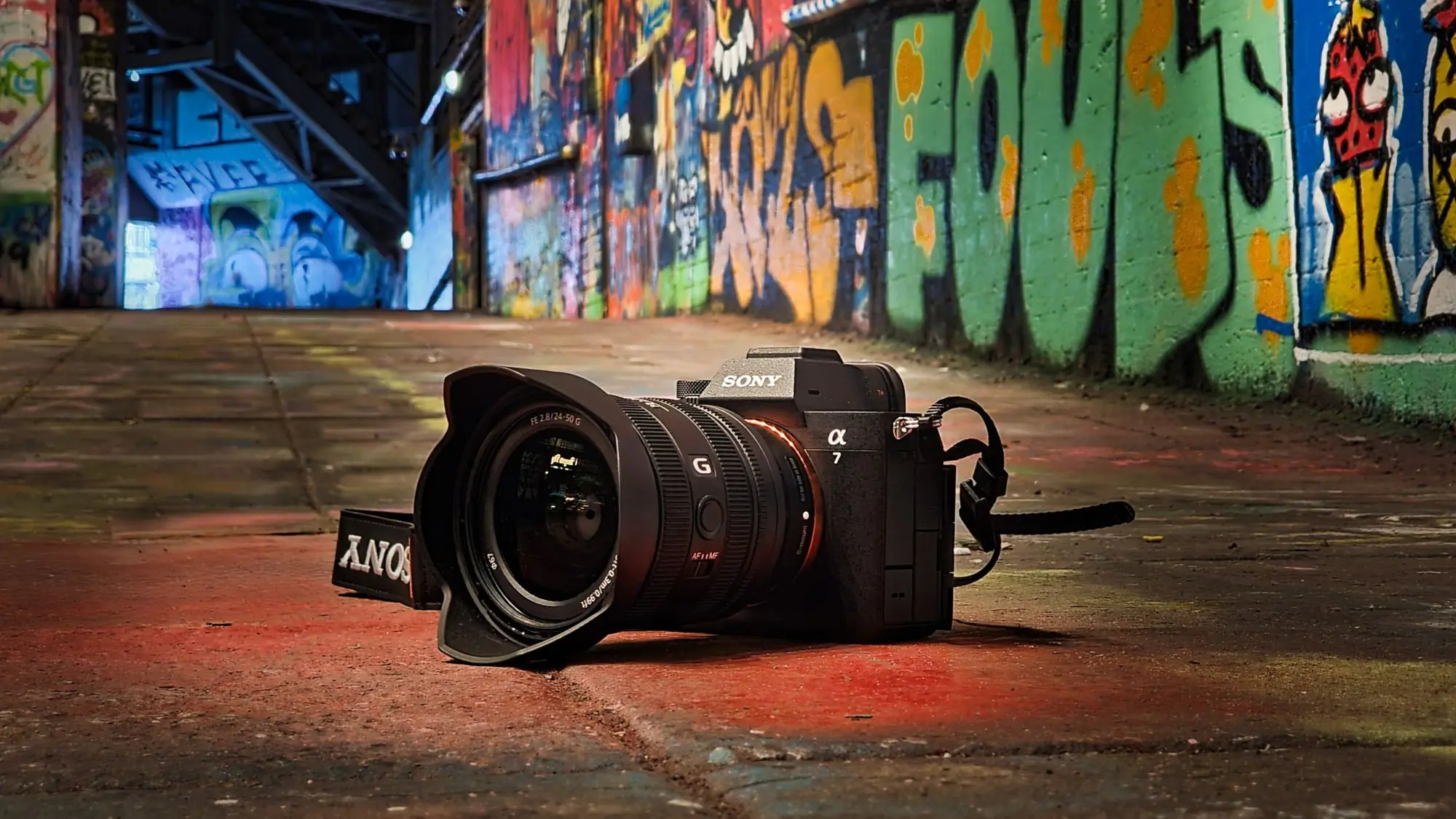
The Sony A7 V is the best all-rounder mirrorless camera in 2026. The 33MP full-frame backside-illuminated sensor delivers 15 stops of dynamic range, the 30fps electronic shutter with blackout-free EVF is the best in the category for action, and the 8K 30p video with no crop is the best video in the price tier. The autofocus is the best in any mirrorless camera in 2026, with real-time subject tracking for humans, animals, birds, vehicles, and insects. The 1-second pre-capture for bursts is the killer feature for wildlife and action photographers.
At $2,499 body only, the A7 V is the right answer for photographers who shoot a mix of stills and video, who want the best autofocus in the category, and who want a body that will be relevant for the next 5-7 years. The lens ecosystem is the largest of any mirrorless system, with Sony FE lenses, third-party Sigma, Tamron, and Samyang options, and the used market for the older Sony E lenses.
Best for Canon shooters: Canon EOS R5 II
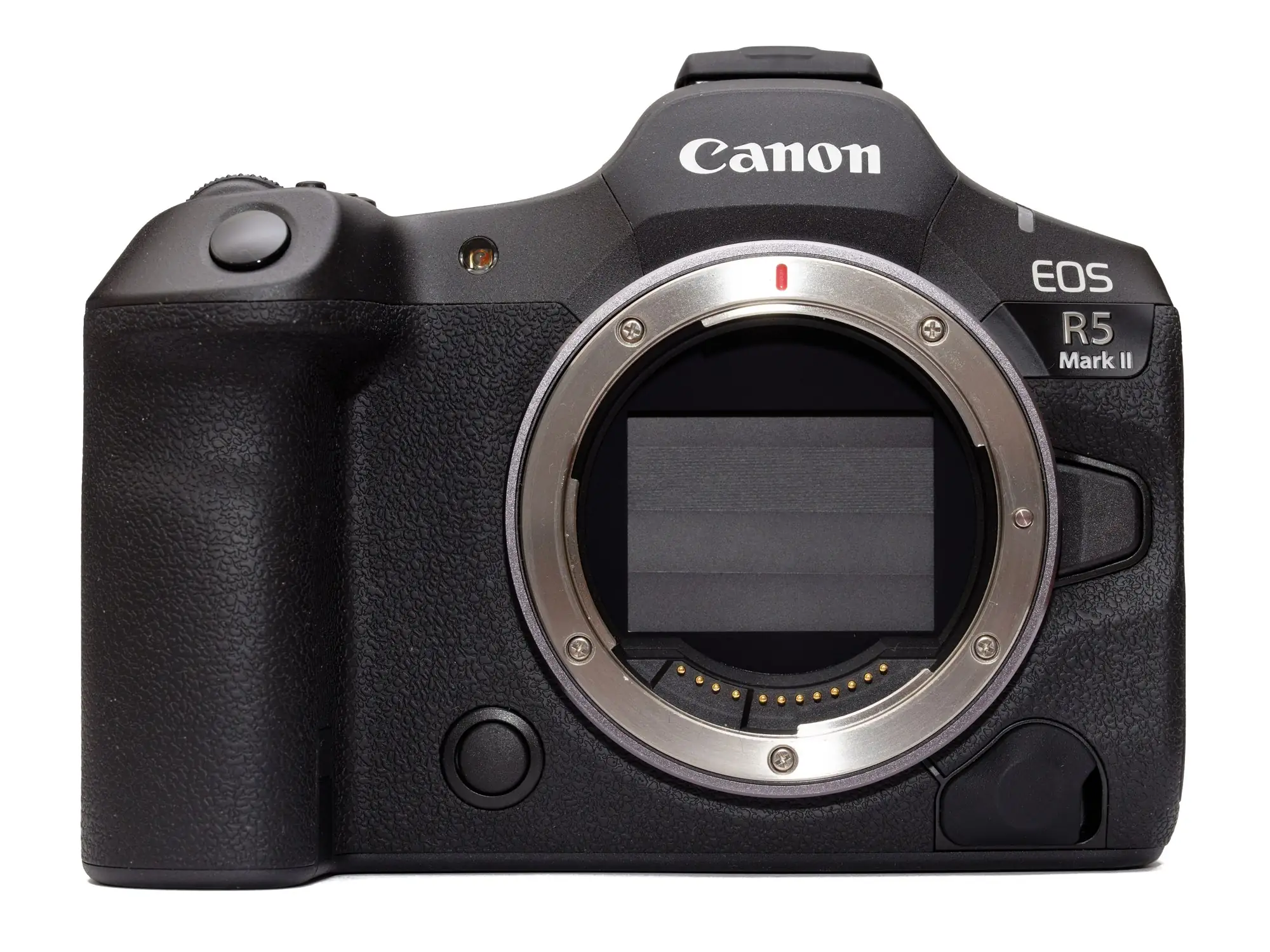
The Canon EOS R5 II is the flagship hybrid camera for Canon shooters. The 45MP stacked sensor delivers 8K 60p RAW video, 30fps electronic shutter burst, and the same autofocus coverage as the A1 II. The Canon RF lens lineup is the second-largest of any mirrorless system, and the third-party support from Sigma and Tamron has closed the gap to Sony in 2026.
At $4,299 body only, the R5 II is the right answer for Canon shooters who want the best Canon can offer, and who shoot a mix of stills and video. The 8K 60p RAW video is the standout feature for video specialists, and the 30fps burst with deep buffer is the standout for action shooters.
Best for Nikon shooters: Nikon Z6 III
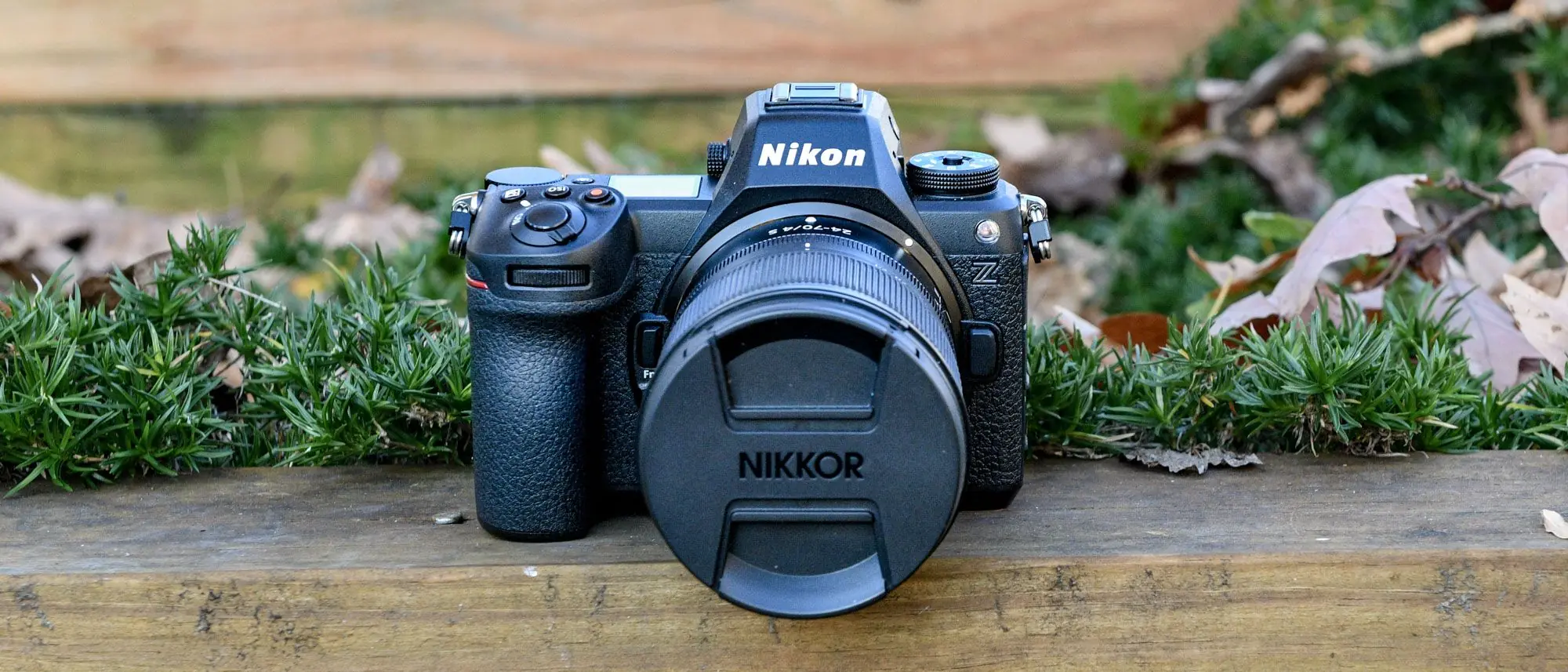
The Nikon Z6 III is the best enthusiast all-rounder in the Nikon Z system. The 24MP partially-stacked sensor delivers 14fps mechanical shutter burst, 6K RAW video, and the EVF is the best in the category at 4000 nits and full DCI-P3 color gamut. The ergonomics are the best in the category, with the deep grip and the responsive controls that Nikon shooters expect.
At $2,499, the Z6 III is the right answer for Nikon shooters who want a hybrid camera that handles stills and video equally well. The partially-stacked sensor is the right balance of speed and image quality, and the EVF is the best in any mirrorless camera in 2026.
Best APS-C: Fujifilm X-T5
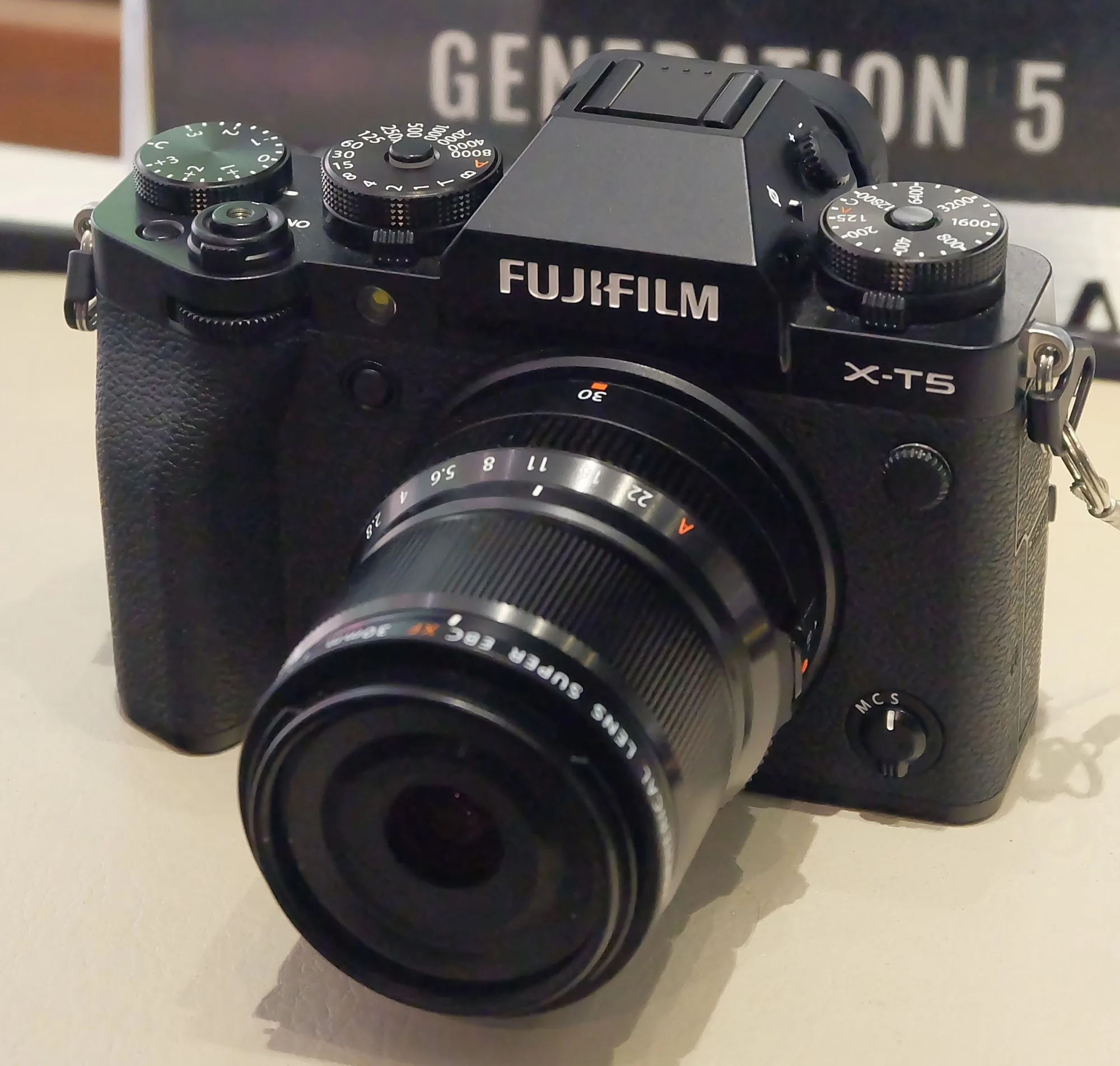
The Fujifilm X-T5 is the best APS-C mirrorless camera in 2026. The 40MP X-Trans sensor delivers the best APS-C image quality, the 15fps mechanical shutter burst is competitive with full-frame mid-range cameras, and the 6K 30p video is a real video capability. The Fujifilm film simulation modes are the best in-camera color profiles of any camera, and the lens ecosystem is the largest APS-C lineup of any mirrorless system.
At $1,699, the X-T5 is the right answer for photographers who want the best APS-C system, who value the film simulations, and who want a smaller, lighter body than full-frame. The X-T5 is also the right answer for travel photographers, with the compact body and the extensive lens lineup covering everything from wide-angle to telephoto.
Best for action and wildlife: Sony A1 II
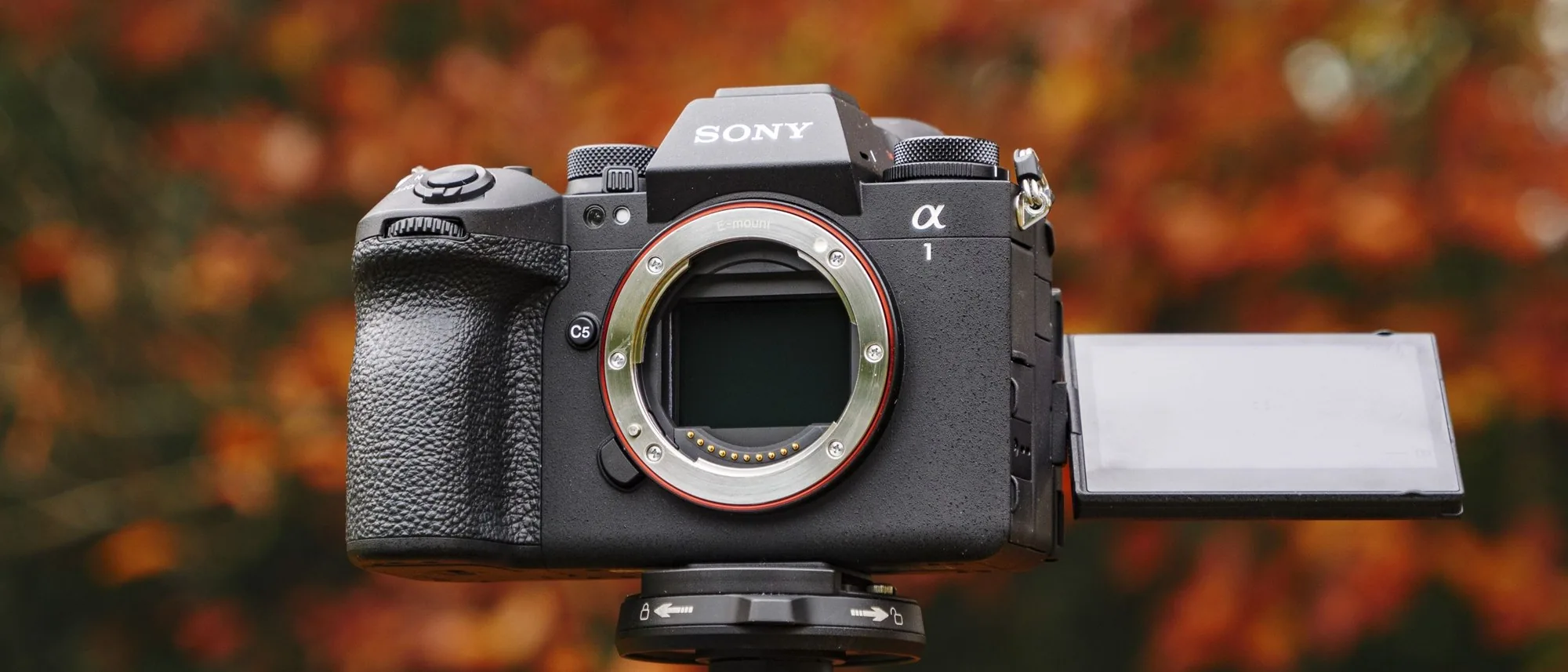
The Sony A1 II is the best action and wildlife camera in 2026. The 50MP stacked sensor delivers 30fps electronic shutter burst, 8K 30p video, 4K 120p video, and the autofocus is the best in any mirrorless camera. The 1-second pre-capture for bursts is the killer feature for wildlife, the camera starts recording frames before you press the shutter, so you never miss the critical moment.
At $6,499, the A1 II is the most expensive mainstream mirrorless camera in 2026, and the right answer only for buyers who shoot action, wildlife, or sports professionally. For enthusiasts, the A7 V at $2,499 delivers 90 percent of the A1 II's capability at a third of the price.
Best medium format: Fujifilm GFX 100S II
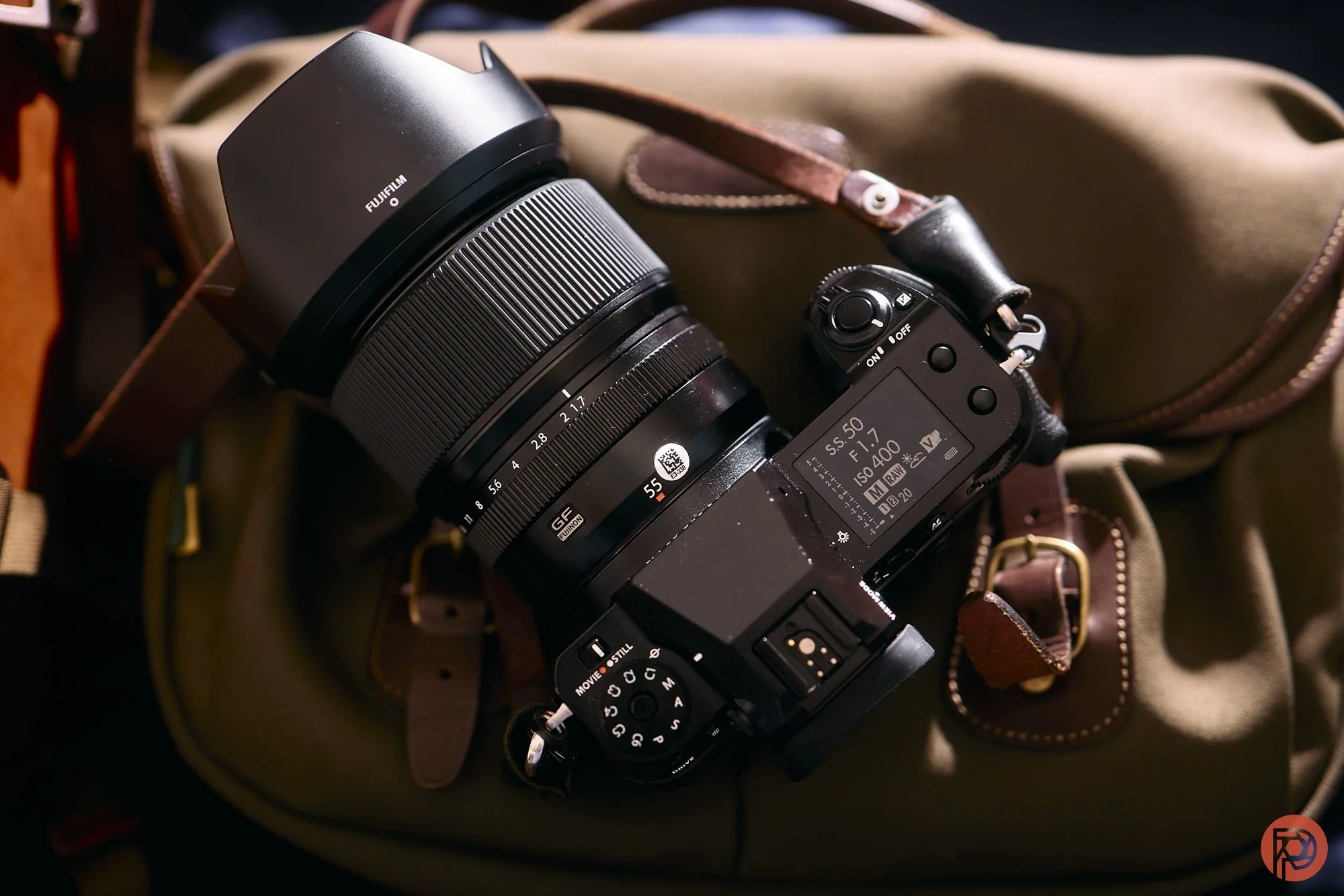
The GFX 100S II is the best medium format camera in 2026. The 102MP sensor delivers the best image quality of any mirrorless camera, the 7fps burst is enough for most studio and landscape work, and the 4K 30p video is a real video capability. The Fujifilm medium format lenses are the best in the category, and the GFX system is the right answer for studio, landscape, and portrait photographers who need the highest image quality.
At $7,499 body only, the GFX 100S II is the right answer for photographers who need the highest image quality and can afford the system. For most photographers, the 45MP full-frame cameras deliver enough image quality at a third of the price.
What to look for in 2026
Three things separate the right answer from the wrong one.
Sensor size and resolution
Full-frame is the right answer for most photographers in 2026, with the best balance of image quality, low-light performance, and lens ecosystem. APS-C is the right answer for photographers who want a smaller, lighter system, or who are on a budget. Medium format is the right answer for studio, landscape, and portrait photographers who need the highest image quality. The resolution tiers in 2026 are 24-26MP for value, 33-45MP for enthusiast, 50MP for high-end, and 100MP for medium format.
Autofocus and burst
Autofocus accuracy is now comparable across the four systems at the flagship tier. Sony has the edge in subject tracking, Canon has the edge in eye-detection for video, Nikon has the edge in 3D tracking for action, Fujifilm has the edge in face-detection for portraits. The burst rate matters for action and wildlife, with 15fps as the minimum, 30fps as the right answer for serious action, and 40fps available on the Canon R6 III and R6 V.
Lens ecosystem
Sony FE has the largest lens ecosystem, with Sony first-party, Sigma, Tamron, Samyang, Viltrox, and a deep used market. Canon RF is the second largest, with Sigma and Tamron third-party support that has closed the gap in 2026. Nikon Z is the third largest, with Tamron third-party support and a growing first-party lineup. Fujifilm X is the largest APS-C lineup, with 35+ first-party lenses covering every focal length. The right answer for a new buyer is to choose the system with the lens lineup that fits the kind of photography you will do, not the camera body with the best specs.
What to skip in 2026
Skip the older generation flagship cameras that are still on the market at clearance prices. The Sony A1, Canon EOS R5, Nikon Z7 II, and Fujifilm GFX 100S are all 2020-2022 cameras that have been replaced by 2026 versions, and the autofocus, video, and burst improvements in the 2026 versions are meaningful. Skip the micro four-thirds systems unless you have a specific use case, the sensor is smaller than APS-C, the lens ecosystem is smaller, and the 2026 APS-C cameras are competitively priced. Skip the cameras from systems you do not already own unless you are ready to commit to the lens system, the camera body is a 3-5 year refresh, the lens system is a 10-year commitment.
Who should buy which
All-rounder who wants the best autofocus and the largest lens ecosystem, the Sony A7 V. Canon shooter who wants the best Canon can offer, the EOS R5 II. Nikon shooter who wants the best enthusiast all-rounder, the Z6 III. APS-C enthusiast who values the film simulations, the Fujifilm X-T5. Action or wildlife professional, the Sony A1 II. Studio or landscape professional who needs the highest image quality, the GFX 100S II. Value full-frame, the Nikon Z5 II at $1,499. Compact full-frame, the Sony a7C II.
One last note. The mirrorless camera market in 2026 is mature, and the right answer for most buyers is the system they already have lenses for. Switching systems is a 10-year commitment, the lens system, and the right time to switch is when the system you are on has stopped meeting your needs, not when the new system has a marginally better spec sheet. Buy the body that fits your current system, and save the system switch for when it is worth the cost.
Frequently asked questions
What is the best mirrorless camera in 2026
For most photographers, the Sony A7 V. The 33MP sensor, 30fps burst, 8K video, and the best autofocus in the category make it the right answer for hybrid shooters. For Canon shooters, the R5 II. For Nikon shooters, the Z6 III. For APS-C, the Fujifilm X-T5.
Is full-frame better than APS-C
For image quality and low-light performance, yes. For size, weight, and price, APS-C is the right answer. The 2026 APS-C cameras, especially the Fujifilm X-T5, are competitive with full-frame mid-range cameras in image quality, and the smaller system is the right answer for travel and street photography.
Is medium format worth the price
For studio, landscape, and portrait photographers who need the highest image quality, yes. The 102MP sensor delivers 4-5 stops more dynamic range than full-frame, and the Fujifilm GFX medium format lenses are the best in the category. For most photographers, the 45MP full-frame cameras deliver enough image quality at a third of the price.
Should I switch from Canon to Sony
Only if the Sony lens ecosystem or the Sony autofocus is meaningfully better for the kind of photography you do. The 2026 Canon RF system has closed the autofocus gap to Sony, and the lens ecosystem is the second-largest of any mirrorless system. The 10-year cost of switching systems is real, and the right answer is to stay in the system you have unless there is a specific reason to switch.
How much should I spend on a mirrorless camera in 2026
For a value full-frame, the Nikon Z5 II at $1,499 is the right answer. For an enthusiast full-frame, the Sony A7 V or Nikon Z6 III at $2,499 is the right answer. For a flagship, the Sony A1 II at $6,499 or the Canon R5 II at $4,299 is the right answer. The middle tier ($2,000-3,000) is the value sweet spot in 2026, with 90 percent of the flagship capability at a third of the price.
Are mirrorless cameras better than DSLRs in 2026
Yes, for most use cases. The autofocus, the burst rate, the video capability, and the EVF are all better on mirrorless. The only case for a DSLR in 2026 is the existing lens investment, an extensive collection of Canon EF or Nikon F lenses can be used on mirrorless bodies with an adapter, and the upgrade cost is real. For a new buyer in 2026, mirrorless is the right answer.
Sources
- Amateur Photographer — The best mirrorless cameras in 2026 — full 2026 buyer's guide with 16 cameras ranked
- Photography Life — The Best Mirrorless Cameras of 2026 — Canon R5 II, Sony A7 V, Nikon Z6 III, and the 2026 flagship tier
- Independent Travel Cats — Best Mirrorless Cameras for Photography 2026 — travel photographer perspective, APS-C vs full-frame
- DPReview — The 9 Best mirrorless cameras in 2026 — 2026 buyer's guide with Sony, Nikon, Canon, Fujifilm picks
- Wirecutter — The 7 Best Mirrorless Cameras of 2026 — Sony A7 V, Fujifilm X-T5, Canon R6 II, and mount-system perspective



Loading comments…