


Apple Watch and Samsung Galaxy Watch are not really competing for the same buyer in 2026. Apple Watch only works with iPhone, Galaxy Watch works best with Samsung Galaxy phones, and the buyer who is choosing between them is either cross-shopping the platforms or considering a switch. For iPhone users, the question is which Apple Watch to buy, not whether to buy a Galaxy Watch. For Galaxy phone users, the question is which Galaxy Watch, not whether to buy an Apple Watch. This guide is for the buyer who is actually choosing between the two ecosystems, or who wants to know which one wins on the objective criteria that matter.
The honest 2026 answer: the Apple Watch Ultra 3 and the Samsung Galaxy Watch Ultra are tied on hardware, the Apple Watch wins on app ecosystem and on-device AI, the Samsung Galaxy Watch wins on battery life, on cross-Android compatibility, and on the rotating-bezel Classic line. For the cross-shopping buyer, the decision comes down to which ecosystem you are already in and which features you actually use. This guide compares the two flagships, the two mid-tier picks, and the right answer for each buyer.
What "Apple Watch vs Galaxy Watch" actually means in 2026
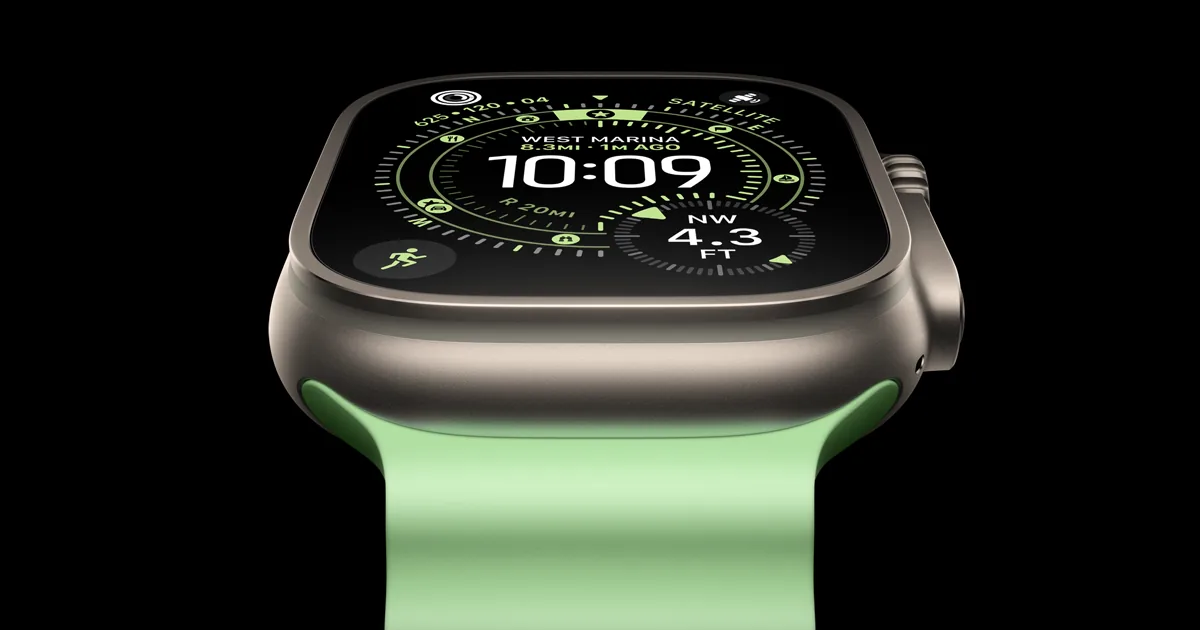
Apple Watch runs watchOS 12 on the S10 SiP (System in Package). The 2026 lineup is the Apple Watch Ultra 3 ($799, 49mm titanium), the Apple Watch Series 11 ($399, 42/46mm aluminum), the Apple Watch SE 3 ($249, 40mm aluminum), and the cellular variants of each. The Ultra 3 is the flagship with the longest battery (42 hours) and the satellite SOS. The Series 11 is the daily driver for most buyers. The SE 3 is the budget pick without always-on display and without ECG.
Samsung Galaxy Watch runs Wear OS 5 with Samsung's One UI Watch layer on top, and it is optimized for Samsung Galaxy phones. The 2026 lineup is the Galaxy Watch Ultra ($650, 47mm titanium), the Galaxy Watch 8 Classic ($550, 46mm stainless steel with rotating bezel), the Galaxy Watch 8 ($300, 40/44mm aluminum), and the cellular variants. The Ultra is the flagship with the longest battery (40 hours) and the 10 ATM water resistance. The 8 Classic is the mid-tier with the physical rotating bezel that Apple Watch has never matched.
At a glance
| Field | Apple Watch Ultra 3 | Galaxy Watch Ultra | Verdict |
|---|---|---|---|
| Case size | 49mm | 47mm | Tie |
| Case material | Titanium | Titanium | Tie |
| Display | 3,000-nit LTPO3 OLED | 3,000-nit Super AMOLED | Tie |
| Battery life | 42 hours | 40 hours | Apple +2h |
| Water resistance | 10 ATM + IP6X | 10 ATM + IP68 | Tie |
| Satellite SOS | Yes (US, EU, UK) | No | Apple |
| Sleep apnea detection | Yes (FDA-approved) | Yes (FDA-approved) | Tie |
| Blood pressure | No | Yes (regional) | Samsung |
| ECG | Yes | Yes | Tie |
| Skin temperature | Yes | Yes | Tie |
| Cellular option | Yes (+$100) | Yes (+$50-100) | Samsung cheaper |
| Third-party apps | ~30,000 watchOS apps | ~5,000 Wear OS apps | Apple by 6x |
| On-device AI | Apple Intelligence | Galaxy AI + Gemini | Tie |
| Cross-ecosystem | iPhone only | Best on Samsung, works on Android | Samsung wins on cross-platform |
| Price (GPS only) | $799 | $650 | Samsung -$150 |
| Price (cellular) | $899 | $700-750 | Samsung -$150 |
The two flagships are closer than they have ever been. The Apple Watch wins on third-party apps and on satellite SOS. The Samsung Galaxy Watch wins on battery (slightly), on blood pressure, and on price. For most buyers, the ecosystem decision (iPhone vs Android) is the deciding factor, not the hardware.
Head-to-head, by use case
| Use case | Apple Watch | Galaxy Watch | Winner |
|---|---|---|---|
| Daily iPhone user | Native integration, Apple Pay, Apple Music, Find My | Not compatible | Apple |
| Daily Samsung Galaxy user | Limited functionality | Native integration, Galaxy AI, Samsung Health, SmartThings | Samsung |
| Daily other Android user | Not compatible | Works, but Samsung features limited | Samsung |
| Fitness and running | Strong, Apple Fitness+ | Strong, Samsung Health with body composition | Tie |
| Sleep tracking | Best-in-class with FDA sleep apnea detection | Strong with FDA sleep apnea detection | Apple |
| Outdoor and adventure | Apple Watch Ultra 3 with satellite SOS | Galaxy Watch Ultra with 10 ATM water resistance | Apple for SOS, Samsung for diving |
| Battery life priority | 42 hours Ultra 3 | 40 hours Ultra, 100 hours battery saver mode | Samsung with saver mode |
| Health monitoring depth | Heart rate, ECG, SpO2, skin temp, sleep apnea | Heart rate, ECG, SpO2, skin temp, sleep apnea, blood pressure, body composition | Samsung |
| Workout variety | ~80 workout types | ~100 workout types | Samsung |
| Third-party app support | ~30,000 watchOS apps | ~5,000 Wear OS apps | Apple by 6x |
| Apple Pay / Google Pay | Apple Pay (iPhone only) | Google Pay + Samsung Pay | Samsung more options |
| Smart home control | HomeKit, Matter | SmartThings, Matter | Tie |
| Price-to-feature ratio | Premium pricing, premium features | Slightly cheaper, slightly better hardware | Samsung |
The Apple Watch wins on app ecosystem, satellite SOS, and sleep tracking depth. The Samsung Galaxy Watch wins on health monitoring breadth (blood pressure, body composition), on cross-Android compatibility, and on price. For most buyers, the deciding factor is the phone ecosystem, not the watch hardware.
The picks
If you are an iPhone user: Apple Watch Ultra 3 or Series 11
For iPhone users in 2026, the choice is between the Apple Watch Ultra 3 ($799, 42h battery, 49mm titanium) and the Apple Watch Series 11 ($399, 24h battery, 42/46mm aluminum). The Ultra 3 is worth the $400 upgrade for buyers who use the outdoor features, the 49mm case fits larger wrists, the titanium build is noticeably lighter than aluminum, and the satellite SOS works in remote areas. The Series 11 is the right answer for the 90 percent of iPhone users who want a daily driver smartwatch without the Ultra 3 price.
The Apple Watch SE 3 at $249 is the budget pick, but the missing always-on display and the missing ECG are real feature losses. For a buyer who can afford the Series 11, the upgrade is worth the $150.
If you are a Samsung Galaxy user: Galaxy Watch Ultra or Watch 8 Classic
For Samsung Galaxy users in 2026, the choice is between the Galaxy Watch Ultra ($650, 40h battery, 47mm titanium) and the Galaxy Watch 8 Classic ($550, 18h battery, 46mm stainless steel with rotating bezel). The Ultra is the flagship pick, with the longest battery and the 10 ATM water resistance. The 8 Classic is the right answer for buyers who want the physical rotating bezel, which is a unique Samsung feature that Apple Watch has never matched.
The Galaxy Watch 8 at $300 is the mid-tier pick, and the right answer for buyers who want a Wear OS watch without the Ultra 8's flagship features. The 18-hour battery is the limitation of the 8 Classic, which is the same as the Apple Watch SE 3. The 8 at $300 is the better battery value.
If you are a Pixel or other Android user: Galaxy Watch 8 or Pixel Watch 4
For Pixel and other Android users in 2026, the choice is between the Samsung Galaxy Watch 8 ($300, 18h battery) and the Google Pixel Watch 4 ($350, 30-40h battery). The Pixel Watch 4 has the longer battery and the cleanest Google-first Android experience, but the Galaxy Watch 8 has the Samsung Health features and the broader sensor coverage. For Pixel phone owners, the Pixel Watch 4 is the right pick. For other Android users, the Galaxy Watch 8 is the safer pick because of Samsung's cross-Android support.
The Galaxy Watch 8 Classic at $550 is also worth considering for the rotating bezel, which is the best smartwatch input device in 2026. The bezel turns to scroll through apps and lists, which is faster than touching the screen in cold or wet conditions.
What the Apple Watch does better in 2026
Three things. First, the app ecosystem. The Apple Watch has ~30,000 watchOS apps, the Galaxy Watch has ~5,000 Wear OS apps. For any niche app (workout tracker, meditation, productivity), the Apple Watch has more options. Second, the on-device AI. Apple Intelligence on the Watch delivers better Siri, better notification summaries, and better health insights than the Galaxy AI on the Samsung. Third, satellite SOS, which the Apple Watch Ultra 3 has and the Galaxy Watch Ultra does not. For buyers who hike, boat, or travel in remote areas, the satellite SOS is a real safety feature.
What the Galaxy Watch does better in 2026
Three things. First, battery life. The Galaxy Watch Ultra at 40 hours is slightly behind the Apple Watch Ultra 3 at 42 hours, but the Samsung's battery saver mode extends to 100 hours, which is not available on the Apple Watch. For a multi-day trip without a charger, the Samsung is the better pick. Second, health monitoring breadth. The Samsung has blood pressure and body composition sensors that the Apple Watch does not. For buyers who track these metrics, the Samsung is the only option. Third, cross-Android compatibility. The Galaxy Watch works with every Android phone, not just Samsung, while the Apple Watch only works with iPhone. For the cross-shopping buyer, this is the decisive factor.
What to look for in 2026
Three things separate the right answer from the wrong one. First, ecosystem fit. Apple Watch for iPhone, Galaxy Watch for Samsung Galaxy, Pixel Watch for other Android. The cross-platform picks are the right answer for specific needs, not the default. Second, battery life. Daily driver, 18-24 hours is fine, charge overnight. Multi-day, 30+ hours is the minimum. Third, sensors you actually need. Blood pressure requires the Samsung. ECG requires both. Sleep apnea detection requires both. If you need a specific sensor, the watch choice is determined by the sensor.
What to skip in 2026
Skip the Apple Watch SE 3 for buyers who can afford the Series 11. The SE drops the always-on display and the ECG, and the $150 saving is not worth the feature loss. Skip the first-generation Apple Watch Ultra and the first-generation Galaxy Watch Ultra, both have been replaced and the 2026 versions are meaningfully better. Skip the Galaxy Watch for iPhone buyers, the experience is degraded and the cellular handoff does not work the same way.
Who should buy which
iPhone user, Apple Watch Ultra 3 for outdoor, Series 11 for daily. Samsung Galaxy user, Galaxy Watch Ultra for outdoor, Watch 8 Classic for daily with the bezel. Pixel or other Android, Pixel Watch 4 for Google-first, Galaxy Watch 8 for cross-Android. Cross-shopping buyer considering a phone ecosystem switch, the Apple Watch is the better smartwatch and the iPhone is the better phone, but the cost of switching is real. Galaxy buyer considering iPhone, the same logic in reverse.
One last note. The Apple Watch and the Samsung Galaxy Watch are both excellent in 2026, and the right answer for 95 percent of buyers is to buy within the same ecosystem as your phone. The 5 percent who benefit from cross-shopping are buyers with specific needs, blood pressure monitoring, satellite SOS, multi-day battery, that one platform handles better. For everyone else, the ecosystem decision is the decision. The watch is the secondary choice.
Frequently asked questions
Can an Apple Watch work with an Android phone
No. The Apple Watch only works with iPhone. For Android users, the choice is between Samsung Galaxy Watch, Google Pixel Watch, Garmin, and the other Wear OS watches.
Can a Galaxy Watch work with an iPhone
Limited. The Galaxy Watch works with iPhone for basic notifications and fitness tracking, but most of the Samsung-specific features (Galaxy AI, Samsung Health, SmartThings) are not available. The right answer for iPhone users is the Apple Watch.
Which has better battery life, Apple Watch Ultra 3 or Galaxy Watch Ultra
Apple Watch Ultra 3 at 42 hours, Galaxy Watch Ultra at 40 hours, but the Samsung's battery saver mode extends to 100 hours, which is not available on the Apple Watch. For multi-day use, the Samsung is the better pick.
Which has better health sensors
The Samsung has more sensors (blood pressure, body composition), the Apple Watch has more accurate sensors in independent testing. For blood pressure specifically, the Samsung is the only option.
Which has more third-party apps
Apple Watch, by 6x. ~30,000 watchOS apps vs ~5,000 Wear OS apps.
Which is better for sleep tracking
Apple Watch, with the best-in-class sleep stage accuracy in independent testing and the FDA-approved sleep apnea detection on the Series 10 and 11.
Sources
- ZDNET — The best smartwatches of 2026 — full 2026 test methodology, Apple and Samsung flagship comparison
- Wareable — Apple Watch Ultra vs Samsung Galaxy Watch Ultra — 2026 cross-platform side-by-side testing
- PCMag — The Best Apple Watch 2026 — Apple Watch Series 11, Ultra 3, and SE 3 picks
- GearUpToFit — Best Smartwatches 2026 — Apple, Samsung, Pixel, Garmin, Amazfit cross-comparison
- AffiliatePlog — Best Smartwatches Of 2026 — features, battery, and performance review


Loading comments…