


The smartwatch market in 2026 is split into three categories that do not really compete for the same buyer. The flagship tier is the Apple Watch Ultra 3, Samsung Galaxy Watch Ultra, and Google Pixel Watch 4, $400-800 watches with every sensor available, a polished OS, and 18-42 hour battery life. The mid-tier is the Apple Watch Series 11, Samsung Galaxy Watch 8 Classic, and Garmin Forerunner 970, $300-500 watches that cover 90 percent of what most buyers need. The specialty tier is the Garmin Fenix 8 Pro, Apple Watch Ultra 3 satellite variant, and Withings ScanWatch Nova, $600-1,000 watches for specific use cases like multi-day adventure, satellite SOS, or 30-day battery. Choosing wrong is mostly a price waste, not a functional miss.
The right answer for most buyers in 2026 is to buy the flagship or mid-tier watch from the same ecosystem as your phone. Apple Watch for iPhone, Galaxy Watch for Samsung Galaxy, Pixel Watch for other Android. The third-party app support, the notification handling, the health data integration, and the cellular handoff all work best within the same ecosystem. The cross-platform picks, Garmin for runners, Withings for long battery, Amazfit for value, are the right answer for specific needs, not the default. This guide ranks the 2026 smartwatch field for what actually matters: battery, sensors, ecosystem fit, and price.
What "smartwatch" actually means in 2026
A smartwatch in 2026 is a wearable with a touch display, health sensors (heart rate, SpO2, ECG, skin temperature, in some cases blood pressure), GPS, water resistance, and a connected app on your phone. The 2026 generation added satellite SOS on the Apple Watch Ultra 3 and the Garmin Fenix 8 Pro, sleep apnea detection on the Apple Watch Series 10 and 11 (and the Samsung Galaxy Watch 7 and 8), and on-wrist AI assistants (Google Gemini on Wear OS watches, Galaxy AI on Samsung watches, Apple Intelligence on the Watch).
The three things that differentiate smartwatches in 2026 are battery life, sensor accuracy, and ecosystem fit. Battery life ranges from 18 hours (Apple Watch Series 11) to 30 days (Withings ScanWatch Nova) to 6 months on a basic fitness band. Sensor accuracy varies by 5-10 percent between the best and worst implementations, which is meaningful for athletes who train to specific heart rate zones. Ecosystem fit is the dominant factor for most buyers, because the features that matter most (notifications, Apple Pay vs Google Pay, third-party apps) work best within the same ecosystem.
At a glance
| Field | Detail |
|---|---|
| Best overall smartwatch | Apple Watch Ultra 3 ($799, 42h battery, 49mm) |
| Best for iPhone users | Apple Watch Series 11 ($399, 24h battery, 42/46mm) |
| Best for Samsung Galaxy users | Samsung Galaxy Watch Ultra ($650, 40h battery, 47mm) |
| Best Google Android watch | Google Pixel Watch 4 ($350, 30-40h battery, 41/45mm) |
| Best for runners | Garmin Forerunner 970 ($500, 7-day battery, 47mm) |
| Best battery life | Withings ScanWatch Nova ($600, 30-day battery, 42mm) |
| Best value | Amazfit Balance 2 ($300, 33h battery, 47mm) |
| Best for outdoor / satellite | Garmin Fenix 8 Pro ($1,000, 16-day battery, 47mm) |
The 2026 smartwatch field
| Watch | OS | Battery | Display | Best for | Price |
|---|---|---|---|---|---|
| Apple Watch Ultra 3 | watchOS 12 | 42 hours | 49mm LTPO3 OLED | iPhone + outdoor | $799 |
| Apple Watch Series 11 | watchOS 12 | 24 hours | 42/46mm LTPO3 OLED | iPhone daily driver | $399 |
| Samsung Galaxy Watch Ultra | Wear OS + Galaxy AI | 40 hours | 47mm Super AMOLED | Galaxy + outdoor | $650 |
| Samsung Galaxy Watch 8 Classic | Wear OS + Galaxy AI | 18 hours | 46mm Super AMOLED | Galaxy daily driver | $550 |
| Google Pixel Watch 4 | Wear OS + Gemini | 30-40 hours | 41/45mm LTPO AMOLED | Google Android | $350 |
| Garmin Forerunner 970 | Garmin Connect | 7 days | 47mm MIP | Runners, triathletes | $500 |
| Garmin Fenix 8 Pro | Garmin Connect | 16 days | 47mm MIP + solar | Multi-day adventure | $1,000 |
| Withings ScanWatch Nova | Withings app | 30 days | 42mm analog + OLED | Battery-first buyers | $600 |
| Amazfit Balance 2 | Zepp | 33 hours | 47mm AMOLED | Value fitness | $300 |
The nine watches above are the only ones to consider in 2026. The Apple Watch dominates the iPhone ecosystem, the Galaxy Watch dominates the Samsung ecosystem, and the Pixel Watch is the best Google Android option. Garmin is the runner's pick, Withings is the battery-life pick, and Amazfit is the value pick.
The picks
Best overall: Apple Watch Ultra 3
The Apple Watch Ultra 3 is the best smartwatch for iPhone users in 2026. The S10 chip with Neural Engine delivers on-device AI for Siri, Health, and notifications. The 49mm titanium case is light for its size (61g) and the 3,000-nit LTPO3 OLED display is readable in direct sunlight. The 42-hour battery life is the longest of any Apple Watch, and the satellite SOS feature works in remote areas without cellular coverage. The third-party app support is the best in any smartwatch, and Apple Pay, Apple Music, and Find My integration are unmatched.
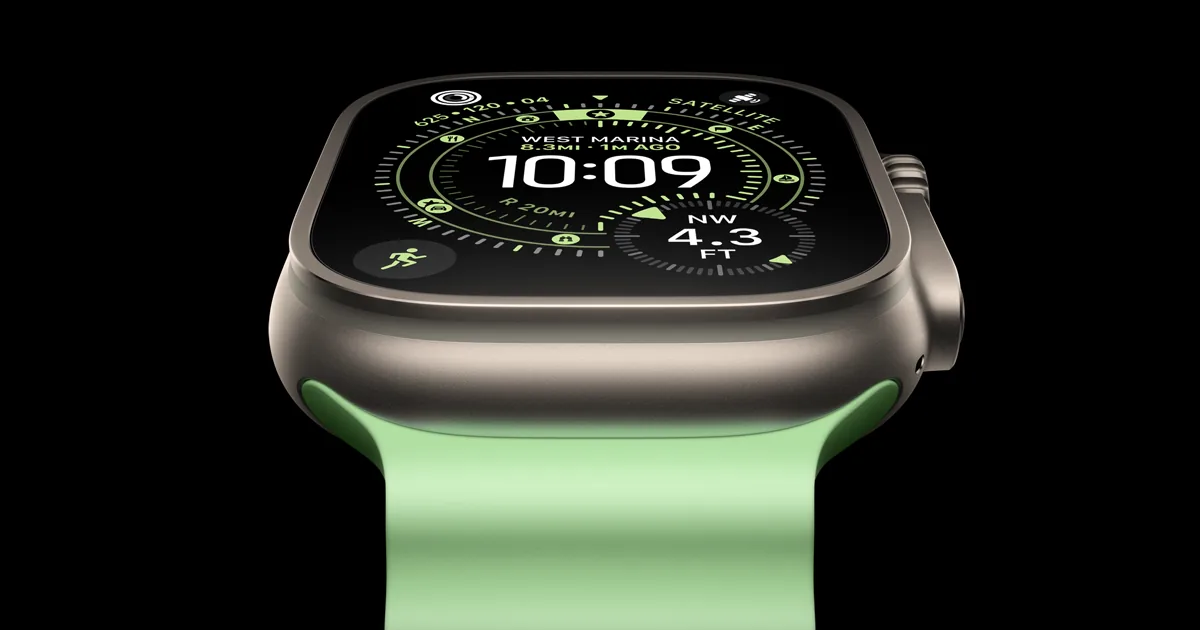
At $799, the Ultra 3 is the most expensive Apple Watch, but the build quality, the battery life, and the satellite SOS feature justify the price for buyers who use them. For buyers who do not need the outdoor features, the Series 11 at $399 is the right answer.
Best for iPhone users: Apple Watch Series 11
The Apple Watch Series 11 is the right pick for 90 percent of iPhone users. The 46mm and 42mm case sizes cover the standard wrist range, the 24-hour battery life is enough for a day with always-on display, and the S10 chip and watchOS 12 deliver the same AI features as the Ultra 3. The 2,000-nit display is bright enough for outdoor use, and the sleep apnea detection is approved by the FDA in the US and most international regulators.
At $399, the Series 11 is the right answer for iPhone users who do not need the Ultra 3's outdoor features. The GPS + cellular option adds $100 and is worth it for buyers who want to leave the phone at home for runs.
Best for Samsung Galaxy users: Galaxy Watch Ultra
The Samsung Galaxy Watch Ultra is the right pick for Galaxy phone owners. The 47mm titanium case, the 3,000-nit Super AMOLED display, and the 40-hour battery life match the Apple Watch Ultra 3 in the hardware. The Wear OS + Galaxy AI integration is the best Samsung has shipped, with Google Gemini on the wrist and Samsung Health for the health data. The 10 ATM water resistance is the best in the category.
At $650, the Watch Ultra is $150 less than the Apple Watch Ultra 3 and offers comparable hardware. The right answer for Galaxy phone owners who want a flagship smartwatch without changing ecosystems.
Best for Google Android: Pixel Watch 4
The Pixel Watch 4 is the best Google-first Android smartwatch in 2026. The 41mm and 45mm case sizes cover the standard wrist range, the 30-40 hour battery life (depending on case size) is the best in the Wear OS category, and the Fitbit integration is the strongest health platform on any Android watch. The Gemini AI on the wrist is functional for notifications and quick queries, and the Wear OS 5 app support is the most open of the major smartwatch platforms.
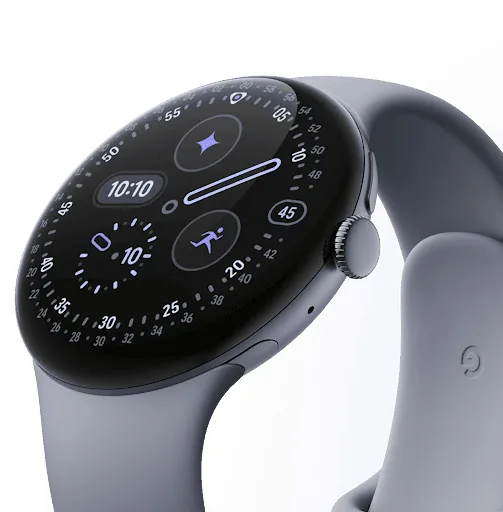
At $350, the Pixel Watch 4 is $50 less than the Apple Watch SE and $50 more than the Apple Watch Series 9 (used). The right answer for Pixel phone owners and for Android users who want the cleanest Google smartwatch experience.
Best for runners: Garmin Forerunner 970
The Forerunner 970 is the best running watch in 2026. The 7-day battery life is 3-4x the Apple Watch and Pixel Watch, the GPS accuracy is the best in any consumer watch, and the training analytics (running power, training load, recovery time, race predictor) are the most sophisticated in the category. The MIP display is readable in any light and uses less battery than OLED.
At $500, the Forerunner 970 is more expensive than the Apple Watch Series 11 but cheaper than the Ultra 3. The right answer for runners and triathletes who train to specific metrics and need the battery life to track a long run or a multi-day race without charging.
What to look for in 2026
Three things separate a smartwatch that will be useful in 2026 from one that will frustrate you.
Ecosystem fit
Apple Watch for iPhone, Galaxy Watch for Samsung Galaxy, Pixel Watch for other Android. The cross-platform picks, Garmin, Withings, Amazfit, are the right answer for specific needs, not the default. Buy within the same ecosystem as your phone for the best experience.
Battery life for your use case
Daily driver, 18-24 hours is fine, charge overnight. Outdoor / multi-day, 30+ hours is the minimum, Garmin Fenix 8 Pro and Apple Watch Ultra 3 deliver 16 days and 42 hours respectively. Battery-first buyers, Withings ScanWatch Nova at 30 days is the right answer, but the smart features are limited.
Sensors you actually need
Heart rate and SpO2 are standard on every watch above $200. ECG and skin temperature are on the Apple Watch Series 9 and later, the Samsung Galaxy Watch 5 and later, and the Pixel Watch 3 and later. Blood pressure is on the Samsung Galaxy Watch 7 and 8, with FDA certification. Sleep apnea detection is on the Apple Watch Series 10 and 11 and the Samsung Galaxy Watch 7 and 8. If you need blood pressure, the Samsung is the right pick. If you need sleep apnea, Apple or Samsung. Otherwise, any watch above $300 has the standard sensors.
What to skip in 2026
Skip the cross-platform picks if you are happy in the Apple or Samsung ecosystem. The Garmin and Withings watches are the right answer for specific needs, not the default for a daily driver. Skip the Apple Watch SE for buyers who can afford the Series 11, the SE drops the always-on display and the ECG, and the $150 saving is not worth the feature loss. Skip the first-generation Apple Watch Ultra and the first-generation Galaxy Watch Ultra, both have been replaced and the 2026 versions are meaningfully better.
Who should buy which
iPhone user, Apple Watch Ultra 3 or Series 11. Galaxy phone user, Galaxy Watch Ultra or Watch 8 Classic. Pixel or other Android user, Pixel Watch 4. Runner or triathlete, Garmin Forerunner 970. Multi-day adventure, Garmin Fenix 8 Pro. Battery-first, Withings ScanWatch Nova. Value fitness, Amazfit Balance 2.
One last note. The smartwatch market in 2026 is mature, and the right answer for most buyers is to buy within the same ecosystem as your phone at the price tier you can afford. The flagship tier is worth the money for buyers who use the features, the mid-tier is the right answer for everyone else. Skip the flagship and buy the mid-tier, you will not miss the features you do not use.
Frequently asked questions
Which smartwatch has the best battery life in 2026
Withings ScanWatch Nova at 30 days. Garmin Fenix 8 Pro at 16 days. Apple Watch Ultra 3 at 42 hours. Pixel Watch 4 at 30-40 hours. Apple Watch Series 11 at 24 hours. The Withings is the right answer for battery-first buyers, the Garmin for outdoor, the Apple and Pixel for daily drivers.
Which smartwatch works with iPhone
Apple Watch works only with iPhone. Garmin, Withings, and Amazfit work with both iPhone and Android. Samsung Galaxy Watch and Google Pixel Watch work only with Android.
Should I get the Apple Watch Ultra 3 or Series 11
Ultra 3 for the 49mm case, the 42-hour battery, the satellite SOS, and the titanium build. Series 11 for the 42/46mm case, the 24-hour battery, and the lower $399 price. The Ultra 3 is worth the $400 upgrade for buyers who use the outdoor features.
Is the Garmin Forerunner 970 worth it for non-runners
No. The Forerunner 970 is built for runners and triathletes. For non-runners, the Apple Watch or Samsung Galaxy Watch is the better pick, with better smart features and a more polished OS.
Which smartwatch is best for sleep tracking
Apple Watch Series 10 and 11, with FDA-approved sleep apnea detection. Samsung Galaxy Watch 7 and 8, also with sleep apnea detection. The Apple Watch has the better sleep stage accuracy in independent testing.
Can a smartwatch replace a fitness band
Yes for most buyers. The Apple Watch, Galaxy Watch, and Pixel Watch all have the sensors and battery life to replace a Fitbit or Garmin band for casual fitness. The Garmin Fenix and Forerunner lines are the right answer for serious athletes.
Sources
- ZDNET — The best smartwatches of 2026 — full 2026 test methodology, Apple/Samsung/Google/Garmin picks
- Wareable — Apple Watch Ultra vs Samsung Galaxy Watch Ultra — 2026 cross-platform comparison
- PCMag — The Best Apple Watch 2026 — Apple Watch Series 11, Ultra 3, and SE 3 picks
- GearUpToFit — Best Smartwatches 2026 — Apple, Garmin, Samsung, Pixel, Amazfit compared
- AffiliatePlog — Best Smartwatches Of 2026 — features, battery, and performance review


Loading comments…