
Cyera has secured an additional 400 million dollar investment from Goldman Sachs Alternatives, cementing its enterprise valuation at more than 12 billion dollars. The Series G extension, completed in late September 2026, lifts Cyera's calendar year fundraising to 1.4 billion dollars and its lifetime capitalization past 2 billion dollars. The capital infusion directly funds the expansion of Agent Guardian, Cyera's runtime governance layer designed to protect corporate environments against security vulnerabilities created by autonomous artificial intelligence agents, machine identities, and unmonitored API token sprawl.
The Shift from Human Perimeters to Autonomous Machine Agents
Enterprise cybersecurity has historically operated on a fundamental assumption that identities belong to human workers. Authentication systems, multi-factor tokens, single sign-on portals, and role-based permissions were created to manage biological employees typing at keyboards during business hours. Over the past twenty-four months, enterprise software ecosystems have undergone a structural transition toward agentic automation. Systems no longer wait for human intervention to run complex operations across production infrastructure.
Autonomous AI agents now execute multi-step database queries, dispatch API commands, generate and deploy code repositories, and synchronize enterprise files across disparate cloud platforms. In typical Fortune 500 corporate cloud tenancies, non-human identities outnumber human employees by approximately forty-five to one. These machine entities include service principals, OAuth tokens, long-lived API secrets, automated runner bots, and autonomous reasoning agents embedded inside business tooling.
Because autonomous software agents execute requests at machine velocity, standard security monitoring fails. When an employee attempts to export fifty thousand database rows, endpoint controls flag abnormal behavior. When an authorized AI agent queries the same database to generate a quarterly revenue projection, legacy tools view the action as standard system behavior. This disconnect creates a dangerous blind spot across corporate networks, allowing prompt injection exploits and lateral credential harvesting to evade conventional detection.
Converging Data Security Posture Management with Machine Identities
Cyera initially established market leadership through Data Security Posture Management, known across the industry as DSPM. The platform uses deep data discovery engines to scan petabyte-scale cloud storage across Amazon Web Services, Microsoft Azure, Google Cloud, and SaaS repositories, indexing where sensitive records, intellectual property, and regulated personal data reside. However, identifying static data locations solves only half of the enterprise security equation.
In July 2026, Cyera executed a 1 billion dollar acquisition of Oasis Security, the pioneer in Non-Human Identity management. That acquisition represented a deliberate tactical alignment. By merging Oasis Security's machine credential mapping with Cyera's granular data classification engine, the unified platform establishes a continuous trust layer that binds identity authorization directly to data classification.
Under this combined architecture, security administrators can immediately pinpoint not only which databases contain sensitive customer records, but also every single service account, API token, and autonomous AI agent authorized to access those specific records. If a background automation agent assigned to customer support holds blanket read privileges across unmasked payment databases, the system identifies the excessive permission structure and automatically generates least-privilege remediation policies.
As covered in our investigation of the Netherlands AI Factory supercomputer in Groningen, public and private institutions increasingly require confidential computing enclaves and sovereign data boundaries to prevent unauthorized inspection during AI model execution.

Agent Guardian and Runtime Security Mechanics
The core technology funded by Goldman Sachs is Agent Guardian, Cyera's specialized runtime governance system for autonomous AI models. Rather than relying solely on static permission scans, Agent Guardian sits directly in the execution path between autonomous agents and enterprise data stores. When an AI agent generates an operational plan that involves invoking external tools or querying back-end systems, Agent Guardian evaluates the request against real-time data security rules.
The system inspects tool invocations, intercepts dynamic API queries, and enforces context-aware boundaries. For example, if an AI agent experiences an indirect prompt injection attack through a corrupted customer email, directing the agent to dump internal salary tables onto an external webhook, Agent Guardian detects the anomalous payload and blocks the transmission. It isolates the execution context without halting unrelated corporate automation workflows.
Furthermore, Agent Guardian mitigates token sprawl by issuing dynamic, short-lived ephemeral credentials. Instead of embedding static API keys with permanent administrative rights inside agent configuration files, the system generates time-bounded session tokens that expire immediately upon task completion. This approach mirrors high-throughput optical isolation mechanisms seen in our study of Marvell 2nm optical interconnects for AI data centers, ensuring that data pathways remain physically and logically constrained.
Comparative Analysis of Enterprise Security Frameworks
As organizations transition from passive machine learning models toward active autonomous agents, traditional security architectures struggle to maintain adequate control. The table below illustrates the functional differences between legacy security categories and Cyera's unified DSPM and machine identity architecture.
| Security Framework | Primary Identity Focus | Data Classification Depth | Runtime Agent Interception | Credential Lifecycle Control | Primary Enterprise Blindspot |
|---|---|---|---|---|---|
| Cyera Agent Guardian and DSPM | Unified human, non-human, and AI agents | Deep multi-cloud semantic tagging | Active real-time tool inspection | Dynamic ephemeral token rotation | Requires continuous tenant integration |
| Legacy Data Loss Prevention | Human endpoint users and perimeter egress | Static regex and keyword pattern matching | None, blind to internal agent tool calls | None, unmanaged machine credentials | Bypassed by legitimate service account queries |
| Traditional Cloud Security Posture | Cloud infrastructure configuration settings | Basic resource tagging and bucket attributes | None, passive infrastructure scanning | Static IAM role auditing only | Lacks awareness of actual data contents |
| Identity and Access Management | Human employees and workforce single sign-on | Zero contextual data awareness | None, authenticates login events only | Periodic password and MFA enforcement | Ignores 90 percent of machine API secrets |
The distinction between managing human users and securing machine entities is equally critical in physical computing environments. As analyzed in our review of Cognex RealSense physical AI acquisition, robotic perception systems and autonomous mobile robots operate as specialized non-human entities that require localized cryptographic authentication to prevent unauthorized command injection.

Capital Allocation and International Market Expansion
The 400 million dollar Series G extension from Goldman Sachs Alternatives provides Cyera with substantial strategic flexibility. Rather than seeking a quick public listing in volatile market conditions, Cyera is using its balance sheet to accelerate enterprise sales and expand its engineering footprint across the United States, Europe, the Middle East, and the Asia-Pacific region.
A substantial portion of the newly acquired funding will be allocated toward federal government compliance certifications, including FedRAMP High authorization and Department of Defense Impact Level 5 readiness. As government agencies deploy autonomous agents to process classified intelligence streams, the demand for unified data security posture management combined with non-human identity control has become an urgent national security requirement.
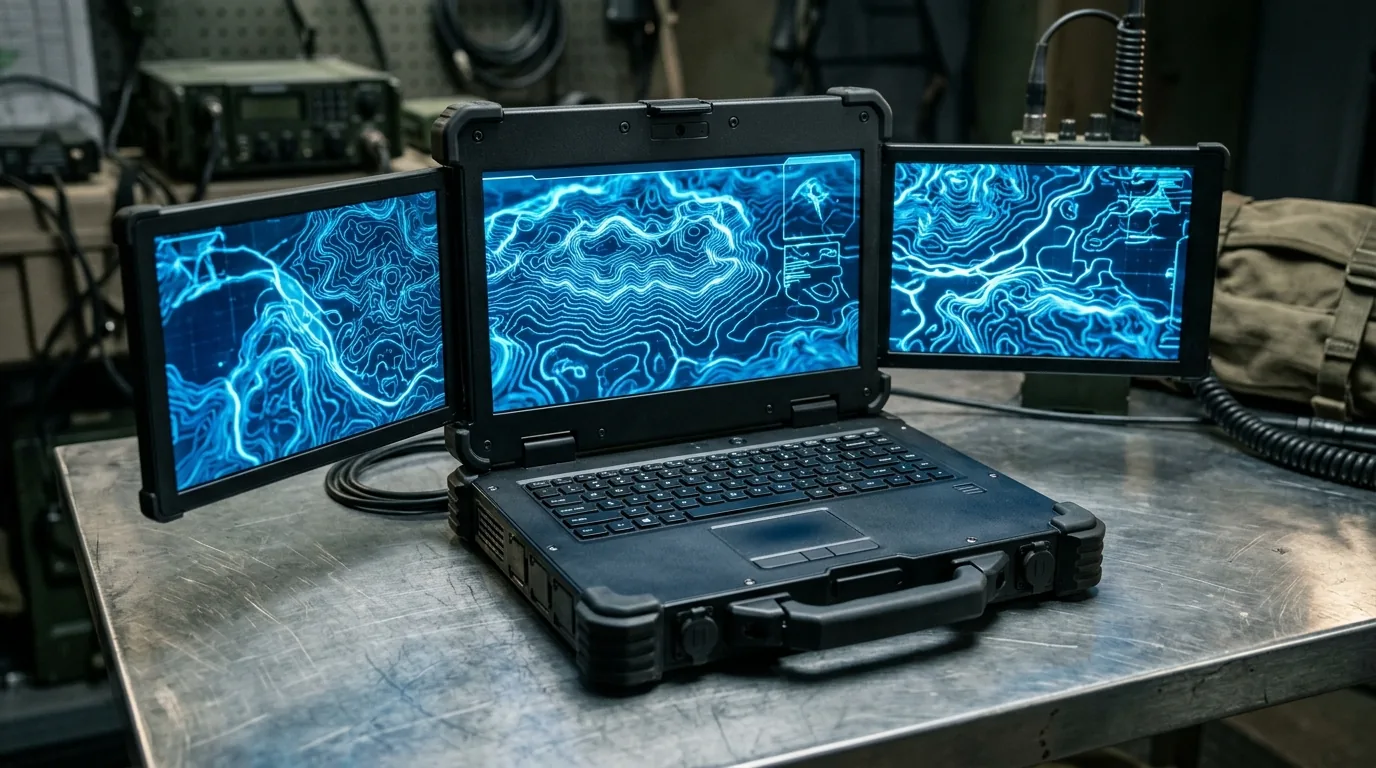
Furthermore, distributed edge deployments require hardened computing hardware. In our field evaluation of the Durabook Z14I-DX3 edge AI workstation, we demonstrated how defense and industrial operators run localized neural inference engines on specialized rugged hardware. These distributed nodes must synchronize securely with centralized cloud repositories without exposing credentials during field disconnections.
The Road Ahead for Autonomous Enterprise AI Security
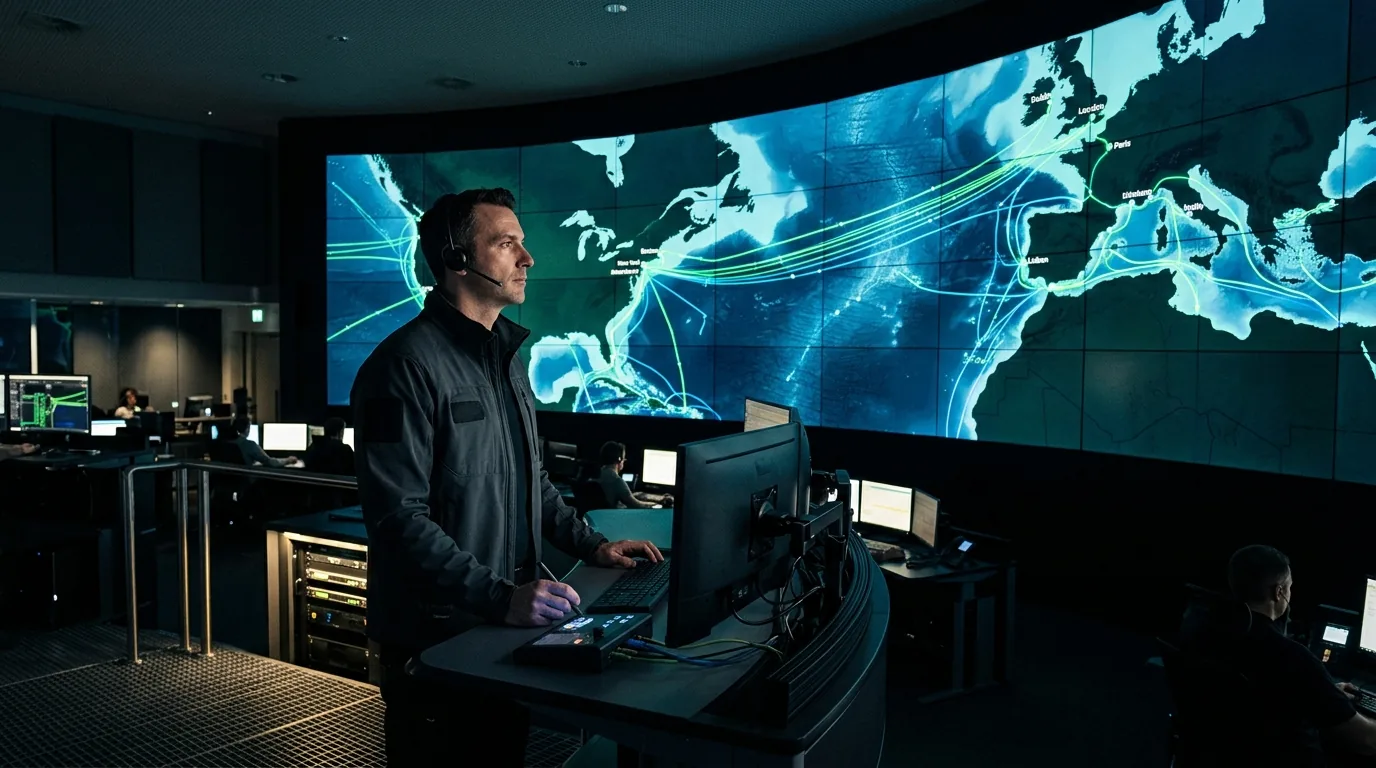
The rapid rise of Cyera to a 12 billion dollar valuation reflects an undeniable reality in contemporary enterprise technology. The next era of software is autonomous, agentic, and distributed. As thousands of intelligent agents take on corporate workflows, the perimeter of enterprise cybersecurity is no longer defined by office firewalls or user logins, but by the cryptographic boundaries that govern non-human interactions with enterprise data.
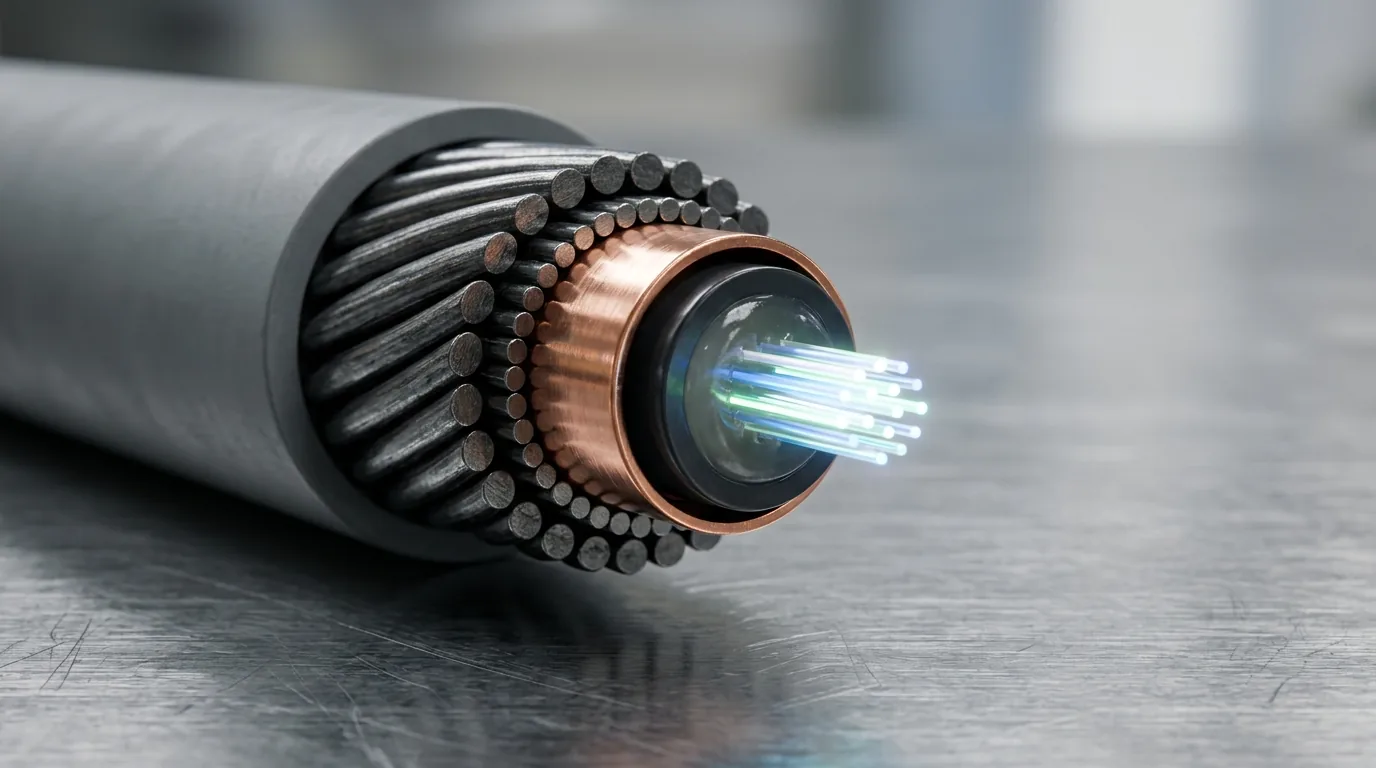
Just as massive subsea fiber projects such as the Meta Petal subsea optical infrastructure and supercomputing clusters like the Alibaba Zhenwu V900 AI supercomputer cluster provide the physical conduits for modern artificial intelligence, unified platforms like Cyera provide the essential trust fabric that keeps corporate data secure. By solving the twin problems of data visibility and machine identity sprawl, Cyera has positioned itself at the center of the enterprise AI revolution.
Frequently Asked Questions
What is Cyera and what does the platform do?
Cyera is a cloud data security company that provides automated Data Security Posture Management and Non-Human Identity governance. The platform discovers, classifies, and protects sensitive corporate data across cloud environments, while monitoring the human employees, service accounts, and autonomous AI agents that interact with those records.
Why did Goldman Sachs invest 400 million dollars in Cyera?
Goldman Sachs Alternatives invested 400 million dollars as an extension of Cyera's Series G funding round to accelerate product development for AI agent security and expand federal and international market presence. The investment values Cyera at more than 12 billion dollars, reflecting strong institutional confidence in agentic security.
What is non-human identity management and why is it important?
Non-human identity management focuses on securing machine credentials such as API keys, service accounts, OAuth tokens, and automated bot credentials. Because non-human identities outnumber human personnel forty-five to one and lack standard multi-factor authentication, they represent the primary attack vector for cloud data breaches.
How does Cyera secure autonomous AI agents?
Through its Agent Guardian technology, Cyera monitors runtime AI tool invocations, enforces least-privilege data access boundaries, detects prompt injection anomalies, and generates ephemeral short-lived credentials to prevent permanent token exposure.
How does the Oasis Security acquisition fit into Cyera's strategy?
Cyera acquired Oasis Security for approximately 1 billion dollars in July 2026. The acquisition unified Cyera's deep data classification engine with Oasis Security's machine credential tracking, allowing enterprises to connect data sensitivity directly to machine and AI agent access permissions.
Loading comments…