
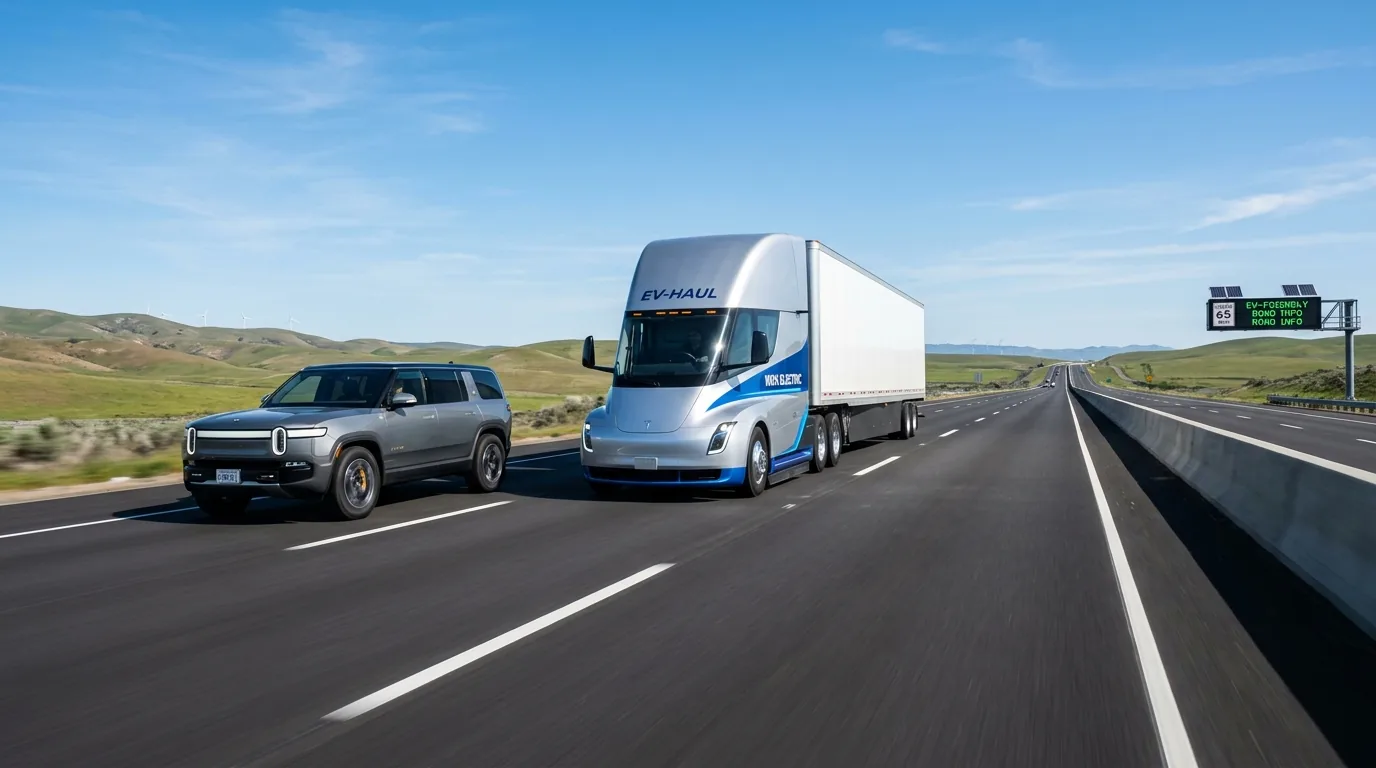
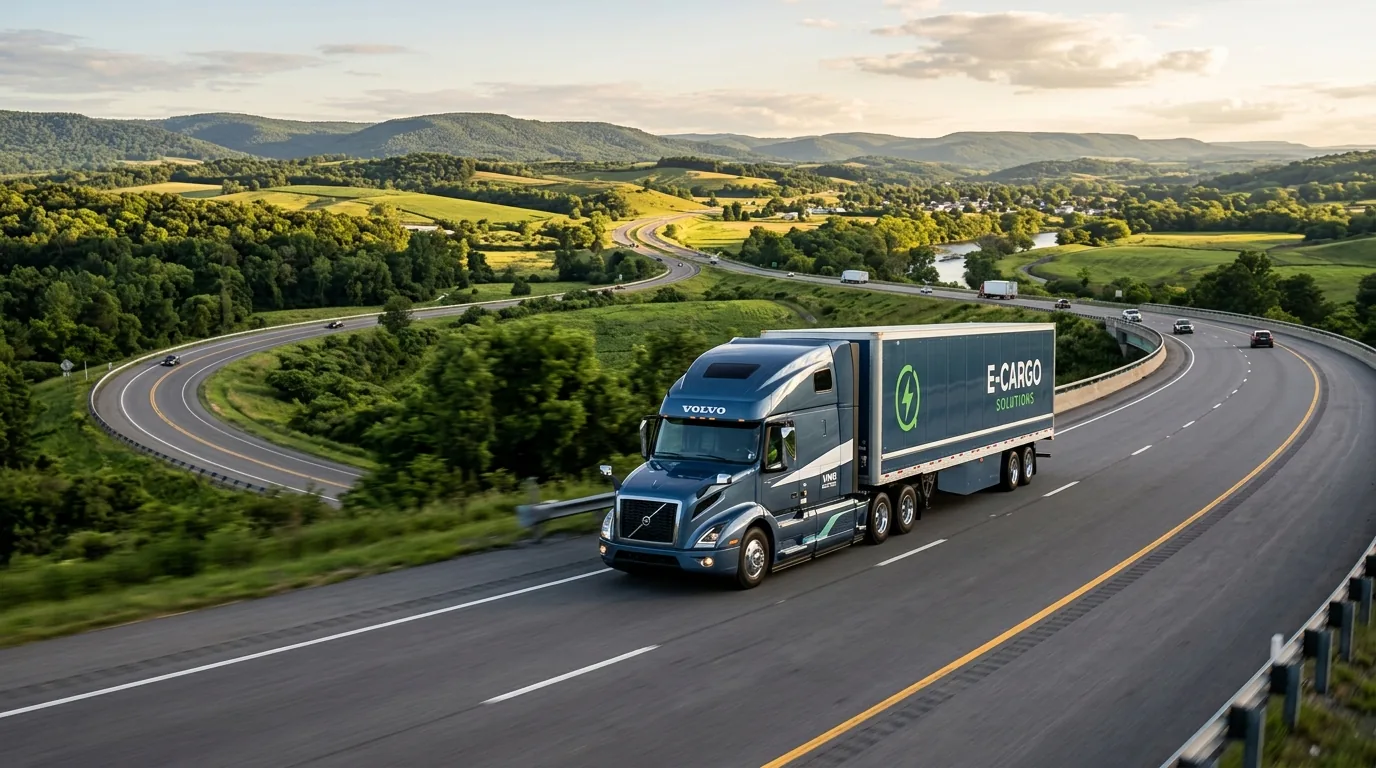
Every commercial vehicle engineer understands the brutal physics of battery chemistry. To push an eight-ton commercial freight hauler five hundred miles on public highways, engineers must bolt a massive six-hundred to eight-hundred kilowatt-hour lithium-ion battery pack directly onto the chassis frame. That energy pack weighs between four and five metric tons, costs more than eighty thousand dollars on its own, and eats directly into the maximum legal axle payload permitted on public bridges. Electric logistics fleets spend substantial operating revenue carrying dead chemical storage mass across country borders, only to park at stationary charging depots for forty-five minutes while drawing megawatts from congested municipal substations.
That engineering logjam received a radical infrastructure answer when Honda research division joined forces with civil engineering giants Taisei Corporation and Taisei Rotec to announce an operational breakthrough in dynamic wireless power transfer. Rather than compelling electric vehicles to carry oversized battery reservoirs, the tripartite consortium developed a high-power magnetic coupling roadbed architecture capable of transferring up to one hundred fifty kilowatts of electrical energy into passenger and commercial vehicles while moving at highway velocities. By turning the road surface itself into an active power conduit, the partnership aims to dismantle the battery weight penalty and rewrite the economics of heavy transport electrification.
Soichiro Honda Powertrain Heritage and the Drive Toward Radical Efficiency
Understanding why Honda committed its research laboratories to wireless roadbed electrification requires examining the philosophical DNA established by founders Soichiro Honda and Takeo Fujisawa. When Soichiro Honda established the company in post-war Hamamatsu, his foundational conviction was that engineering must liberate human beings from physical burdens rather than adding mechanical complexity. In the nineteen-seventies, when global automakers claimed strict clean air standards were technologically impossible, Honda engineers introduced the Compound Vortex Controlled Combustion engine, clearing United States emissions benchmarks without requiring a heavy, precious-metal catalytic converter.
That engineering persistence reappeared in nineteen-ninety-nine with the first-generation Honda Insight, beating competitor hybrid architectures to the North American market through lightweight aluminum construction and Integrated Motor Assist. Over the following two decades, Honda pursued diverse clean propulsion pathways, deploying fuel cell technologies in the Clarity platform and perfecting multi-mode two-motor hybrid transmissions. Yet as consumer automotive markets transitioned toward pure battery electric platforms, Honda encountered modern battery limitations first-hand.
The compact Honda e city car earned critical praise for its handling and retro styling, yet its small thirty-five kilowatt-hour battery limited highway range, restricting European sales volume. Concurrently, industry competitors responded to range anxiety by packing gargantuan battery bricks into passenger pickups and commercial haulers, creating three-ton consumer vehicles that accelerated pavement degradation and consumed scarce critical minerals. Honda corporate leadership recognized that simply stacking more lithium cells inside vehicle chassis runs counter to the founding ethos of resource efficiency. Under the Honda 0 Series development doctrine, summarized internally by the motto Thin, Light, and Wise, engineers focused on downsizing onboard battery mass. Dynamic wireless power transfer represents the ultimate technological expression of that philosophy, enabling vehicles to maintain continuous operational readiness with compact, lightweight battery packs.
Why Early Inductive Roadways Stalled Across Global Trials
Dynamic roadway electrification is not a novel concept in academic literature, but historical pilot projects repeatedly crashed into practical engineering roadblocks. Early initiatives dating back to the nineteen-nineties relied on basic electromagnetic induction, similar to kitchen cooktops or smartphone charging stands. These legacy systems suffered from severe efficiency drops whenever vehicle receiver pads drifted even a few inches away from the buried road transmitters.
Commercial startups like Electreon and research initiatives in Sweden, Germany, and Michigan demonstrated passenger transit vans drawing twenty to thirty kilowatts while rolling slowly along specialized test tracks. However, scaling those systems to commercial freight logistics revealed three critical structural vulnerabilities.
- Pavement structural failure occurred when heavy commercial axles repeatedly crushed shallow asphalt cuts, fracturing copper windings and allowing rain to short electrical circuits.
- Substation capital costs skyrocketed because alternating current distribution grids required expensive step-down transformers and inverter shelters every few hundred yards along the highway shoulder.
- Thermal overheating during sustained high-speed transfer melted standard bitumen asphalt mixtures, creating ruts and potholes that compromised vehicle safety.
Because previous research teams lacked civil construction expertise, they treated asphalt as inert housing for electronics. When twenty-ton commercial tractor-trailers rolled across the installations, roadbeds buckled under sheer vertical compaction stress. Honda realized that solving dynamic power transfer required treating civil road construction and high-frequency electromagnetics as a single integrated discipline.
The Technical Architecture of Magnetic Resonance Coupling at 150 Kilowatts
The breakthrough developed by Honda R&D replaces crude induction with high-frequency magnetic resonance coupling. Unlike traditional inductive pads that require millimeters of spacing, magnetic resonance couples transmitter and receiver coils through tuned resonant LC tank circuits operating at identical electromagnetic frequencies. This physics allows power to transfer across air gaps between eight and twelve inches with coil-to-coil electrical efficiency exceeding ninety percent.
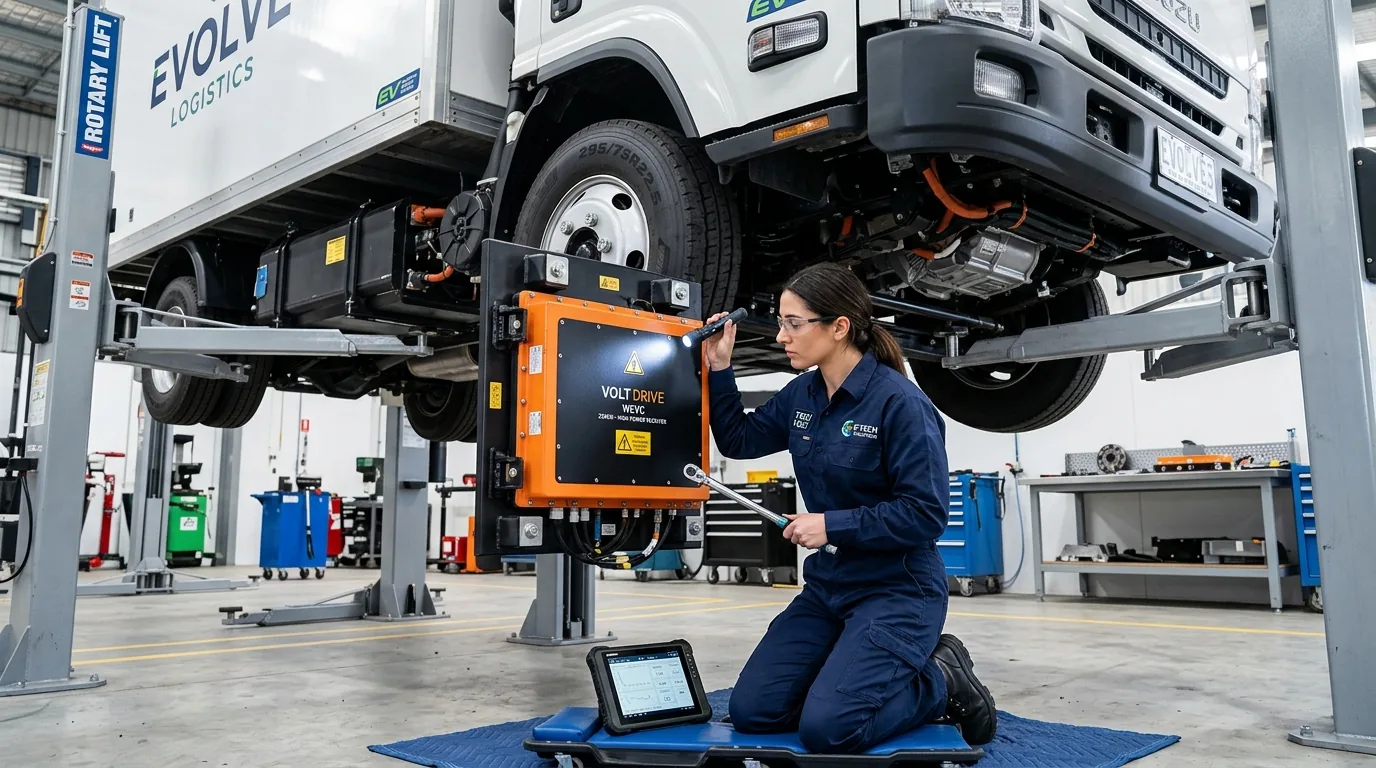
To deliver up to one hundred fifty kilowatts into vehicles moving at sixty miles per hour, Honda engineers designed high-power-density receiver assemblies utilizing silicon carbide power MOSFETs. As a vehicle travels along the charging corridor, the physical alignment between road transmitter units and underbody receiver pads shifts constantly due to steering adjustments, lane wandering, and suspension travel. Honda integrated sub-millisecond adaptive impedance matching circuits that continuously retune resonant capacitance. Even when an electric truck drifts laterally across the lane, magnetic flux link stability remains intact without triggering thermal cutouts or voltage spikes.
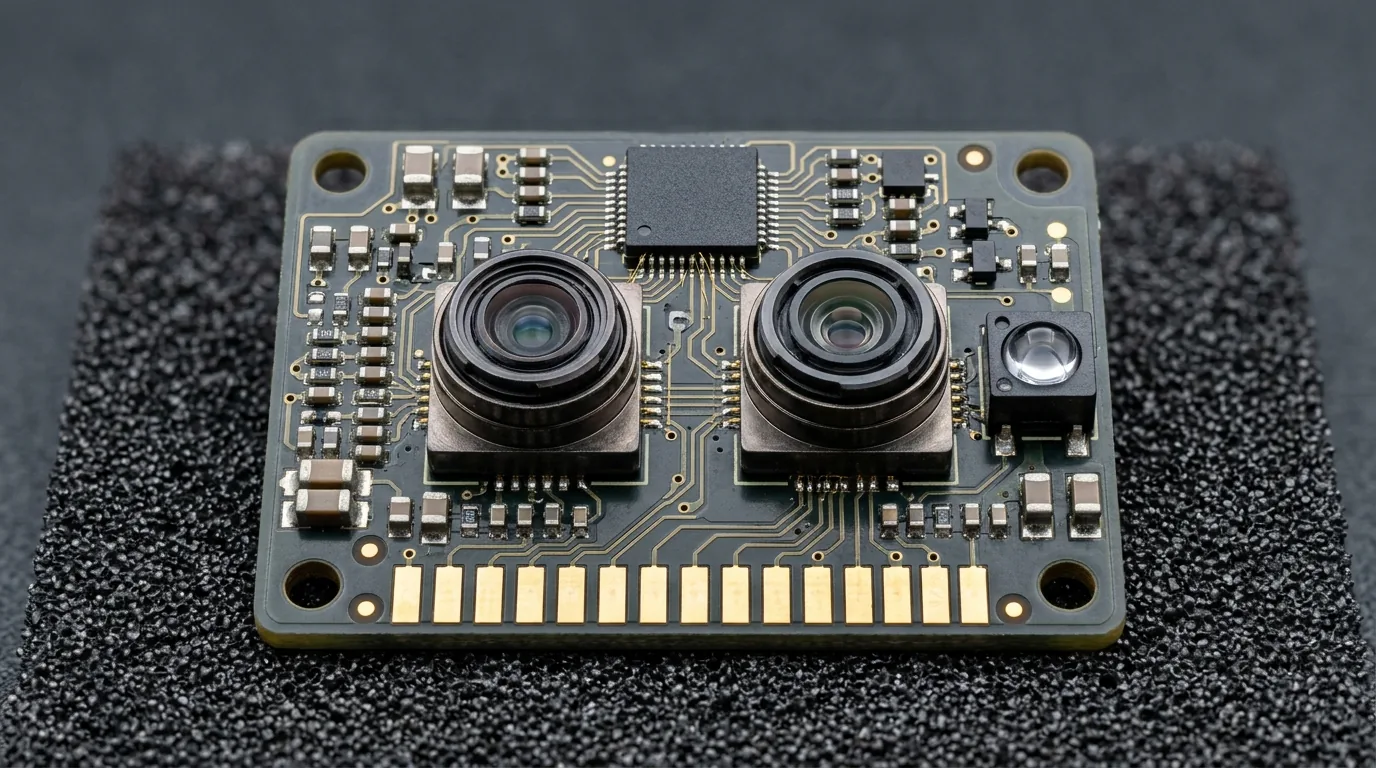
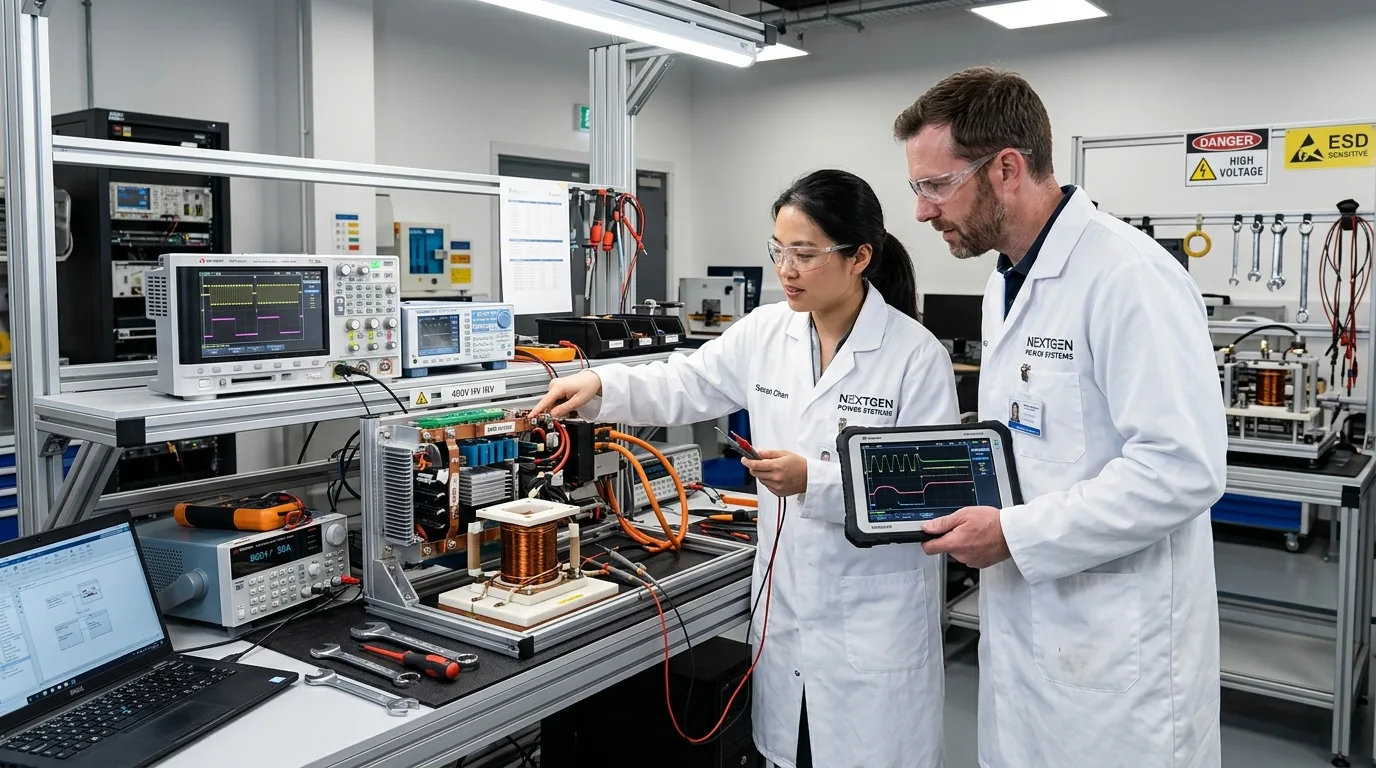
This rapid power transfer requires extreme physical robustness. Advanced high-power electrical systems demand rugged diagnostic hardware during development, mirroring the resilient design standards highlighted in our field evaluation of rugged mobile computing platforms for harsh industrial environments. In Honda system, localized microcontrollers monitor coil temperature, foreign metal objects, and field alignment sixty times per second, guaranteeing operational stability under highway driving conditions.
Taisei Corporation High-Response Direct Current Power Grid
Delivering high-power bursts to fast-moving vehicles presents an immense challenge for traditional electrical utility grids. When a multi-axle freight truck travels over a series of embedded road coils, each coil draws one hundred fifty kilowatts for only a fraction of a second before the vehicle transitions to the subsequent coil. If an electrical system attempted to switch alternating current power at those speeds, reactive power surges and grid harmonic distortions would destabilize local utility substations.
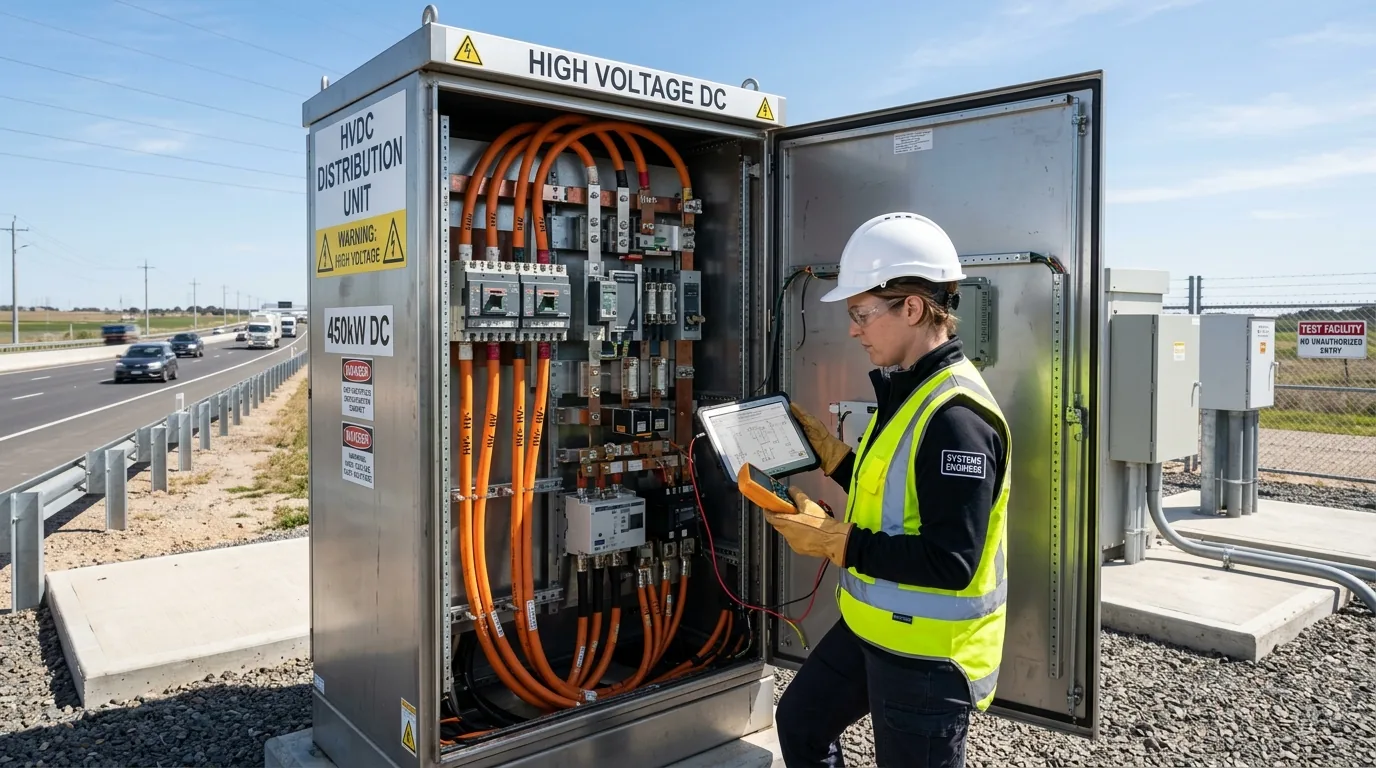
Civil engineering giant Taisei Corporation solved this distribution bottleneck by developing a specialized high-response direct current power supply architecture. Instead of deploying hundreds of localized alternating current transformers along highway embankments, Taisei engineered a centralized direct current distribution backbone. High-voltage direct current power routes parallel to the roadway, supplying modular solid-state switching hubs buried safely beneath utility trenches.
These solid-state switches activate individual road coils in microsecond increments only when an authenticated receiver coil passes directly above. The moment the vehicle chassis clears the coil perimeter, power deactivates immediately. This segmented direct current switching architecture eliminates standby parasitic power drain and shields the broader electrical grid from volatile demand spikes. Similar high-throughput, low-latency transmission architectures are transforming global data networks, as detailed in our analysis of two-nanometer optical interconnects for high-speed computing fabrics and high-capacity infrastructure explored in multi-core fiber submarine communications.
Pavement Engineering by Taisei Rotec to Withstand Heavy Commercial Traffic
The most sophisticated power electronics are useless if highway asphalt cracks after three months of winter frost and commercial traffic. Highway roadbeds represent hostile operating environments, subjected to intense hydraulic tire pressure, chemical de-icing salts, water ingress, and repetitive temperature swings from sub-zero winters to blazing asphalt summers.
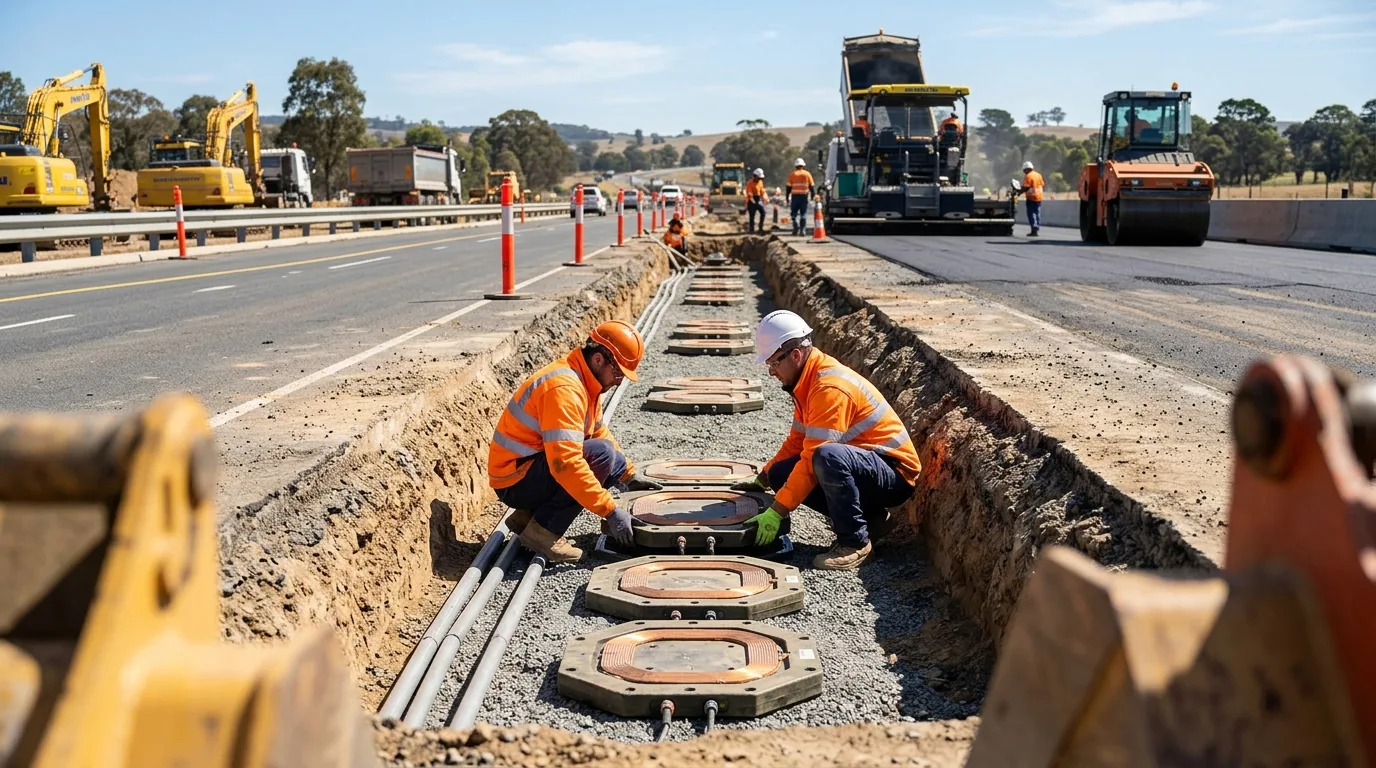
Taisei Rotec, one of Japan leading transportation infrastructure and asphalt paving contractors, engineered a durable embedding methodology that preserves pavement structural integrity. Rather than cutting crude trenches into existing asphalt, Taisei Rotec developed pre-cast high-strength concrete cassettes that house Honda magnetic transmitter coils inside hermetically sealed resin blocks. These cassettes integrate directly into the sub-base layer of the highway structure, distributing vertical wheel loads across the surrounding sub-grade foundation.
The upper wearing course consists of specialized porous asphalt engineered to allow magnetic flux lines to pass without inductive resistance while preventing moisture retention around electrical joints. Crucially, the pavement architecture supports standard civil road maintenance. When highway surfaces wear down over years of use, standard cold-milling road machines can strip and replace the top three inches of asphalt without damaging the magnetic coils buried safely beneath the structural concrete base. The pavement formula withstands twenty-ton repeated axle loads, ensuring the highway maintains standard forty-year civil engineering lifespans.
Testing Roadmap Across Fukushima and the Tateyama Expressway
Honda, Taisei, and Taisei Rotec established an aggressive two-stage validation roadmap designed to move magnetic coupling technology out of laboratory bench setups and onto active public freight thoroughfares.
The first phase commences in late twenty-twenty-six at Taisei Group advanced research center, known as T-FIELD TAMURA, located in Tamura City, Fukushima Prefecture. Engineers are constructing a dedicated closed-loop test track featuring high-load pavement sections embedded with Honda one hundred fifty kilowatt transmitter modules. The Fukushima facility will subject the roadbed to simulated heavy commercial hauler traffic, verifying long-term coil vibration damping, weatherproofing against torrential rain and freezing snow, and thermal equilibrium under back-to-back high-power charging runs.
The second phase, scheduled to initiate in Japanese fiscal year twenty-twenty-seven, transitions the technology to public highway trials through the Tateyama Project. Partnering with East Nippon Expressway Company, known as NEXCO East, the consortium will install dynamic wireless power transfer infrastructure along targeted operational lanes of the Tateyama Expressway in Chiba Prefecture. This public corridor trial will evaluate live interoperability across diverse vehicle classes, validate automated roadside tolling and billing systems, and gather empirical data on commercial freight efficiency under real-world traffic flows.
Comparative Infrastructure Architecture Matrix
Comparing highway charging paradigms clarifies why dynamic wireless power transfer provides distinct operational advantages over stationary plugs and overhead catenary cables.
| Charging Architecture | Power Delivery Mechanism | Vehicle Payload Impact | Grid Demand Profile | Highway Civil Infrastructure | Fleet Operational Downtime |
|---|---|---|---|---|---|
| Stationary Megawatt Direct Current Plugs | Physical heavy-duty plug-in cable | Severe penalty requiring 600 to 800 kWh battery pack | Extreme local power spikes up to 1.2 MW per stall | Dedicated charging plazas with multi-acre parking footprints | Forty-five to ninety minutes per charging stop |
| Overhead Catenary Wires | Mechanical roof-mounted pantograph trolley | Moderate penalty with 200 kWh buffer battery | Continuous drawing from roadside electrical substations | Massive visual overhead clutter and high-risk overhead wires | Zero downtime while traveling beneath overhead lines |
| Battery Swapping Stations | Automated mechanical pack removal hoist | Severe penalty requiring standardized battery sizes | Concentrated depot grid demand for pack banks | Extensive robotic warehouses with surplus battery inventories | Ten to fifteen minutes mechanical exchange delay |
| Honda Taisei Dynamic Wireless Roadbed | Underbody resonant magnetic field coupling | Minimal penalty enabling compact 150 to 200 kWh battery | Distributed high-response DC grid with microsecond switching | Completely invisible roadbed coils beneath durable asphalt | Zero operational downtime with continuous in-motion charging |
Commercial Fleet Economics and the Multi-Ton Payload Dividend
The financial justification for electrified highways centers on commercial freight logistics. Long-haul trucking operates on razor-thin operating margins where profit correlates directly with freight weight capacity and vehicle uptime. Under conventional battery electric truck architectures, an operator purchasing a Class 8 commercial tractor pays upwards of three hundred thousand dollars, with battery cells accounting for nearly half the vehicle cost.
When long-haul transit corridors feature dynamic wireless charging along ten to twenty percent of their total mileage, battery requirements change fundamentally. A truck traveling between regional logistics hubs no longer requires an eight-hundred kilowatt-hour battery to survive the entire journey on stored charge. Instead, the vehicle draws power directly from the roadway to drive its electric motors while topping up a modest one-hundred-fifty kilowatt-hour buffer pack to navigate off-highway local roads.
This architectural shift delivers a multi-ton payload dividend. Shrinking the onboard battery pack from eight hundred kilowatt-hours to one hundred fifty kilowatt-hours removes three to four metric tons of dead tare weight from the vehicle chassis. Fleet operators can replace that battery mass with billable freight cargo, dramatically increasing revenue per mile traveled. In addition, upfront truck capital acquisition costs fall by thirty to forty percent, accelerating commercial fleet decarbonization without requiring government subsidy mandates.
Foreign Object Detection and Electromagnetic Safety Standards
A frequent skepticism regarding high-power wireless energy transfer involves safety and biological radiation. The International Commission on Non-Ionizing Radiation Protection establishes strict exposure limits to ensure electromagnetic fields do not pose risks to humans, pacemaker wearers, or wildlife.
Honda magnetic resonance design concentrates flux lines directly between the ground transmitter and vehicle receiver, with magnetic field density falling off exponentially outside the vehicle footprint. Because vehicle underbodies are lined with metallic ground planes and steel chassis shielding, cabin interiors experience magnetic flux levels well below international safety ceilings. Passengers and drivers traveling over active charging coils receive no more electromagnetic exposure than sitting inside a standard electric car operating on conventional highways.
To address the danger of stray metallic debris, such as dropped aluminum beverage cans, iron nails, or tire wire fragments heating up through magnetic eddy currents, Honda integrated high-frequency foreign object detection arrays. Radar and optical sensors cross-examine the road surface prior to coil activation. If a metallic object is detected resting above an embedded transmitter, the local solid-state switch bypasses that individual coil, preventing fire hazards while maintaining uninterrupted power delivery through neighboring modules.
Frequently Asked Questions
What is dynamic wireless power transfer for electric vehicles
Dynamic wireless power transfer is an infrastructure technology that delivers electrical energy to electric vehicles while they are in motion. Coils embedded beneath highway pavement generate high-frequency magnetic resonance fields that transfer power into receiver plates mounted beneath vehicle floors, charging batteries without physical cables.
How much power does the Honda and Taisei system transfer to moving vehicles
The joint system targets power transfer up to one hundred fifty kilowatts. This high energy output is sufficient to power heavy commercial trucks and passenger electric vehicles at highway speeds while simultaneously recharging onboard batteries.
Why did earlier dynamic wireless road projects fail to achieve commercial scale
Previous roadway pilots suffered from asphalt cracking under heavy vehicle axle loads, low energy efficiency during coil misalignment, and exorbitant capital costs caused by building alternating current substations along highways. Honda, Taisei, and Taisei Rotec solved these challenges using durable pavement embedding, magnetic resonance tuning, and a direct current power supply.
Does the vehicle need to align perfectly over the center of the road coils to charge
Perfect alignment is not required. Honda magnetic resonance architecture features sub-millisecond adaptive impedance matching circuits that maintain over ninety percent electrical efficiency even when a vehicle wanders laterally across lane markings or alters speed during normal driving.
Will driving on an electrified highway damage pacemakers or human health
The magnetic field is tightly focused between the road surface and the vehicle chassis. Metallic underbody shielding directs flux lines into the receiver, keeping passenger cabin electromagnetic exposure well below strict international safety thresholds established by the International Commission on Non-Ionizing Radiation Protection.
What prevents metal trash on the road from catching fire over active charging coils
The system utilizes automated foreign object detection arrays that monitor coil surfaces. If metallic debris like beverage cans or stray bolts are detected, the system deactivates that specific coil in microseconds, eliminating thermal risks while allowing surrounding coils to function normally.
How does dynamic road charging benefit commercial trucking companies financially
By providing continuous charging along highway corridors, commercial trucks can replace heavy eight-hundred kilowatt-hour batteries with compact one-hundred-fifty kilowatt-hour packs. This sheds three to four metric tons of dead battery weight, allowing haulers to carry more cargo while cutting vehicle purchase costs by up to forty percent.
When and where will the public see this technology tested on real highways
Initial test track validation begins in late twenty-twenty-six at the T-FIELD TAMURA research facility in Fukushima Prefecture. Public highway testing will commence in Japanese fiscal year twenty-twenty-seven along the Tateyama Expressway in Chiba Prefecture under the NEXCO East Tateyama Project.
Operational Trajectory for Electrified Highway Corridors
The collaboration between Honda, Taisei Corporation, and Taisei Rotec signals a profound maturation in electric vehicle infrastructure planning. For over a decade, transportation electrification operated under the assumption that vehicles must remain passive energy storage units carrying enough chemical batteries to complete round trips in isolation. That paradigm pushed vehicle weights and mineral supply chains to unsustainable extremes.
By transforming civil roadbeds into active energy delivery conduits, the consortium establishes an elegant engineering alternative. Arterial freight routes equipped with dynamic magnetic coupling allow commercial logistics to achieve true continuous operation, decoupling heavy transport from charging queues and heavy battery packs. As testing transitions from the proving grounds of Fukushima to the open lanes of the Tateyama Expressway, the road ahead for electric mobility will be paved with light, durable, and uninterrupted power.



Loading comments…