

Meta has officially unveiled the Muse Charm, a standalone keychain-sized artificial intelligence hardware gadget designed as an ambient physical companion for its multimodal Muse agent. Announced by Mark Zuckerberg at Meta Connect on September 24, 2026, the compact squircle device represents Meta's calculated departure from facial smart glasses and fragile smartphone screen workflows. Slated for commercial delivery in December 2026 ahead of the holiday shopping window, the Muse Charm features an animated virtual companion display, standalone 5G cellular connectivity, a biometric edge sensor, and contextual environmental cameras.
Hardware Architecture and Silicon Engineering
The industrial design of the Meta Muse Charm centers on immediate accessibility. Measuring roughly two inches square with contoured pebble edges, the chassis integrates a high-efficiency circular OLED display. The screen does not attempt to render text-dense websites or video feeds. Instead, it serves as the home for Jolly, an expressive, animated vector avatar that shifts expressions, colors, and visual feedback depending on the current cognitive state of the underlying Muse intelligence engine.
Under the polycarbonate and recycled aluminum frame, Meta engineers integrated a dedicated low-power 5G RedCap cellular modem. Unlike the first wave of wearable artificial intelligence gadgets that required continuous Bluetooth tethering to an active smartphone, the Muse Charm maintains direct, independent cellular cloud uplinks. This cellular independence ensures that voice queries, location-based navigation, and image recognition workflows execute without draining the user's primary mobile phone battery.
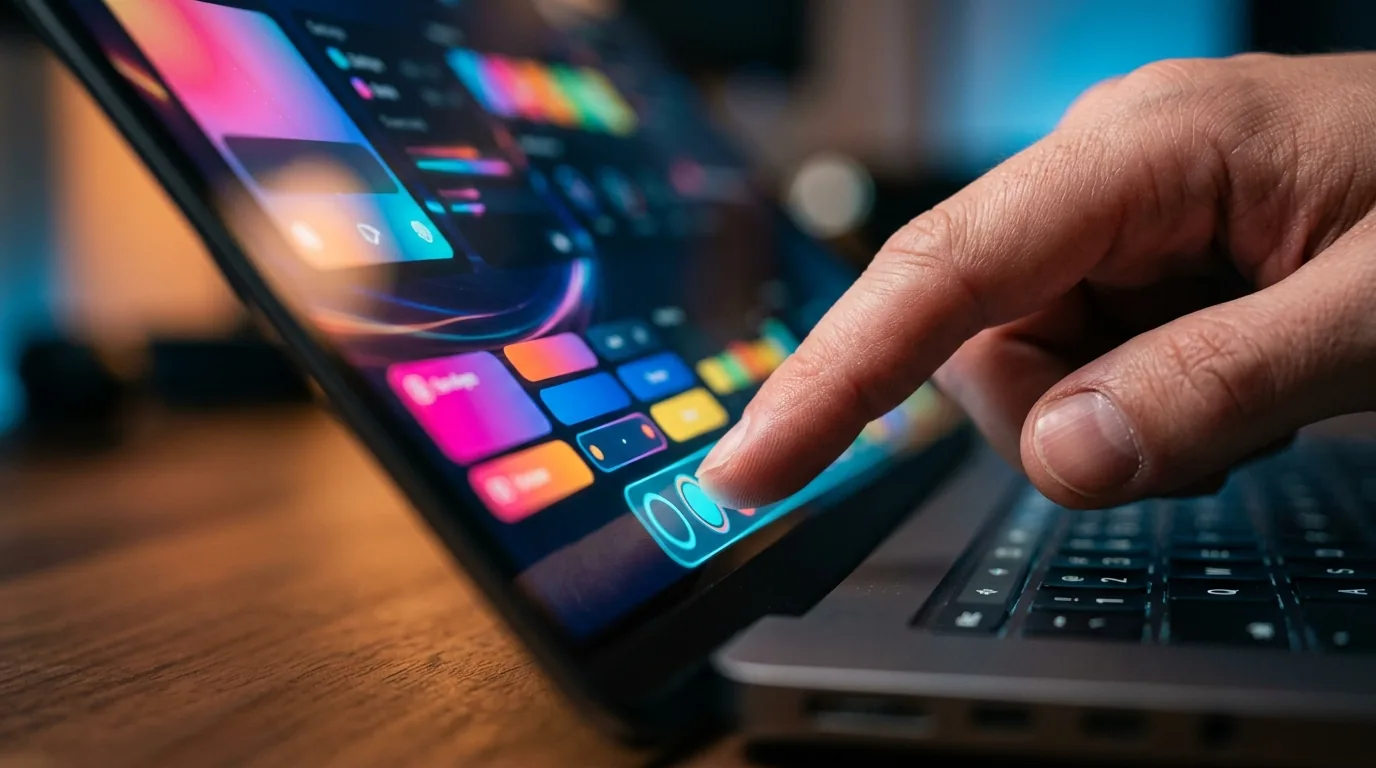
Power management is governed by a custom real-time operating system that avoids the resource overhead of heavy mobile platforms. A single multi-function biometric sensor rests along the perimeter rail. Placing a finger on this pad instantly authenticates the user through capacitive fingerprint matching while opening a directional microphone channel, completely bypassing noisy, battery-draining acoustic wake-word loops.
Overcoming the Failures of First-Generation AI Wearables
The consumer electronics market has witnessed numerous failed attempts to build post-smartphone hardware. The Humane AI Pin suffered from extreme thermal throttling, an awkward laser projection interface that washed out under direct daylight, and a heavy magnetic battery pack that pulled uncomfortably on clothing fabric. The Rabbit r1 introduced a rotating camera and mechanical scroll wheel, but suffered from severe latency, fragile cloud-emulated actions, and an Android-based software build that offered minimal battery longevity.
Meta approached the problem through three strategic design choices that address these hardware stumbling blocks.
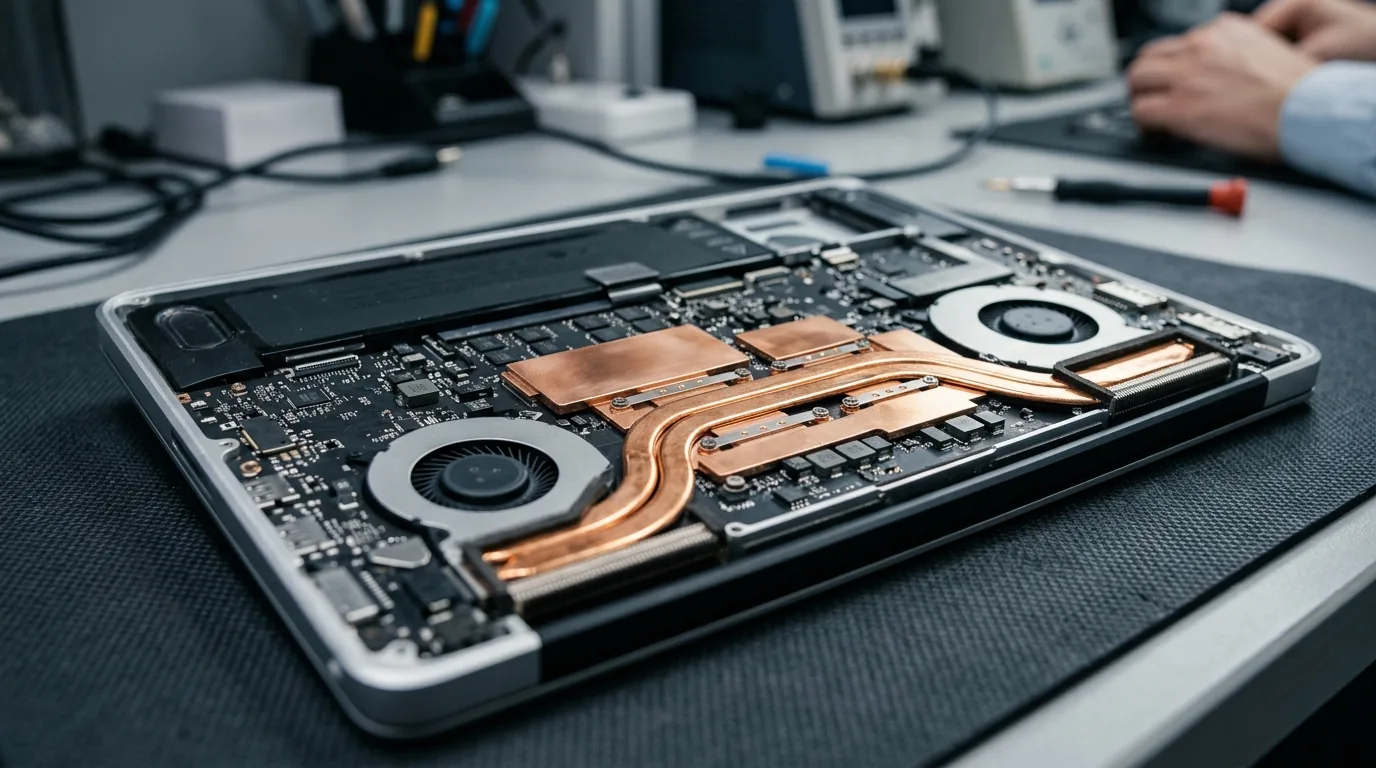
First, thermal dissipation is handled passively through a structural aluminum mid-frame that vents heat into the device perimeter rather than concentrating hot spots against human skin. Because the Charm is held in the hand, attached to a backpack, or hung from a lanyard, it does not trap heat beneath clothing layers.
Second, tactile interaction replaces voice-only dependency. By combining an active fingerprint trigger with a glanceable visual screen, users receive immediate visual confirmation that their request was understood, eliminating the awkward conversational delays that doomed earlier screenless pins.
Third, cloud execution relies on Meta's hyperscale infrastructure. As detailed in our breakdown of the Meta Petal subsea optical infrastructure, transmitting real-time multimodal voice and vision data streams requires dedicated low-latency global fiber corridors connecting edge devices directly to regional model clusters.

Comparative Analysis of Standalone AI Hardware Platforms
The following technical matrix evaluates the Meta Muse Charm against earlier standalone artificial intelligence devices and wearable computing platforms across primary hardware specifications.
| Device Name | Primary Display | Cellular Architecture | Physical Trigger | Thermal Strategy | Form Factor Style | Market Status |
|---|---|---|---|---|---|---|
| Meta Muse Charm | Two-inch circular OLED | Embedded 5G RedCap | Edge capacitive fingerprint | Aluminum perimeter sink | Pocket squircle keychain | Shipping December 2026 |
| Humane AI Pin | Monochrome laser projection | LTE eSIM connection | Touchpad tap and voice | Magnetic chest heat clip | Two-piece magnetic badge | Discontinued production |
| Rabbit r1 | 2.88-inch TFT LCD | 4G LTE micro-SIM | Push-to-talk side button | Internal plastic enclosure | Square pocket calculator | Limited commercial use |
| Ray-Ban Meta Glasses | None audio only | Bluetooth phone tethered | Temple touchpad tap | Eyewear arm dissipation | Standard spectacle frames | Active production |
While smart glasses have found steady adoption among sunglasses wearers, millions of consumers resist wearing optical frames indoors or require complex corrective prescriptions. The Charm provides the perceptual features of smart glasses in a form factor that fits into a pocket or keychain without demanding face real estate.

Multimodal Foundation Models and Spatial Vision
The intelligence driving the Muse Charm comes from Meta's Muse foundation model family. Equipped with miniature ultra-wide camera sensors on both its front and rear faces, the Charm captures rapid environmental snapshots when triggered by the user. Rather than maintaining an energy-intensive continuous video feed, the device takes contextual still captures at the moment the fingerprint sensor is engaged.
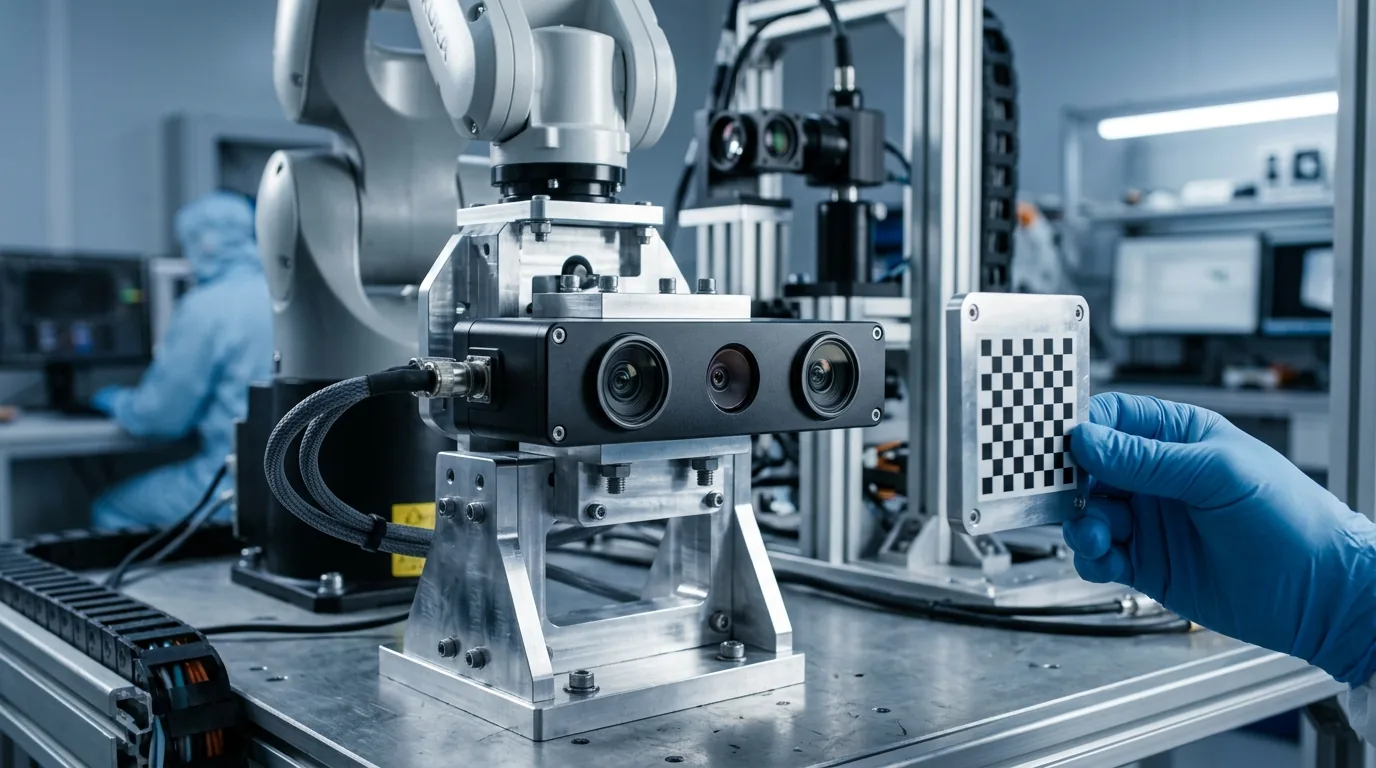
These images feed into vision-language model pipelines running across distributed cloud inference data centers. The platform identifies handwritten notes, summarizes printed documents, translates foreign restaurant menus, and categorizes physical items. This visual grounding shares architectural parallels with industrial computer vision systems examined in our study of the Cognex RealSense physical AI acquisition, where compact stereo disparity sensors provide spatial depth understanding for robotic platforms.
To ensure swift response times, the cloud processing infrastructure relies on high-speed hardware acceleration clusters, such as the ultra-scale networks explored in our overview of the Alibaba Zhenwu V900 AI supercomputer cluster and low-latency transceivers detailed in our breakdown of Marvell 2nm optical interconnects for AI data centers.

Device-to-Device Mesh Interactions and Security Implications
One unexpected capability demonstrated during the Meta Connect keynote is local proximity communication. When two Muse Charm owners enter physical proximity, the devices can establish an encrypted peer-to-peer mesh over ultra-wideband radio. The avatars on screen interact with visual animations, allowing users to exchange verified digital business cards, share playlist recommendations, or initiate collaborative multi-agent tasks.
However, granting autonomous agents continuous ambient access to personal data introduces significant security considerations. If an agent carries access to email inboxes, calendar schedules, and payment credentials, enterprise networks must enforce strict machine identity boundaries. As detailed in our analysis of Cyera autonomous AI agent security, the rise of agentic devices requires real-time runtime monitoring to prevent prompt injection and unauthorized token exfiltration.
European privacy regulators will also scrutinize the Charm's data transmission pathways. As demonstrated by sovereign computing programs like the Netherlands AI Factory supercomputer in Groningen, public institutions increasingly mandate that personal consumer data remain cryptographically isolated inside regional sovereign borders.

Field Readiness, Holiday Release, and the Future of Computing
The Meta Muse Charm is scheduled to begin shipping across North America in December 2026. While official retail pricing has not been formally finalized, industry supply chain leaks suggest a target consumer price point between 149 and 199 dollars, positioning it as an impulsive holiday tech gift rather than an expensive luxury accessory.
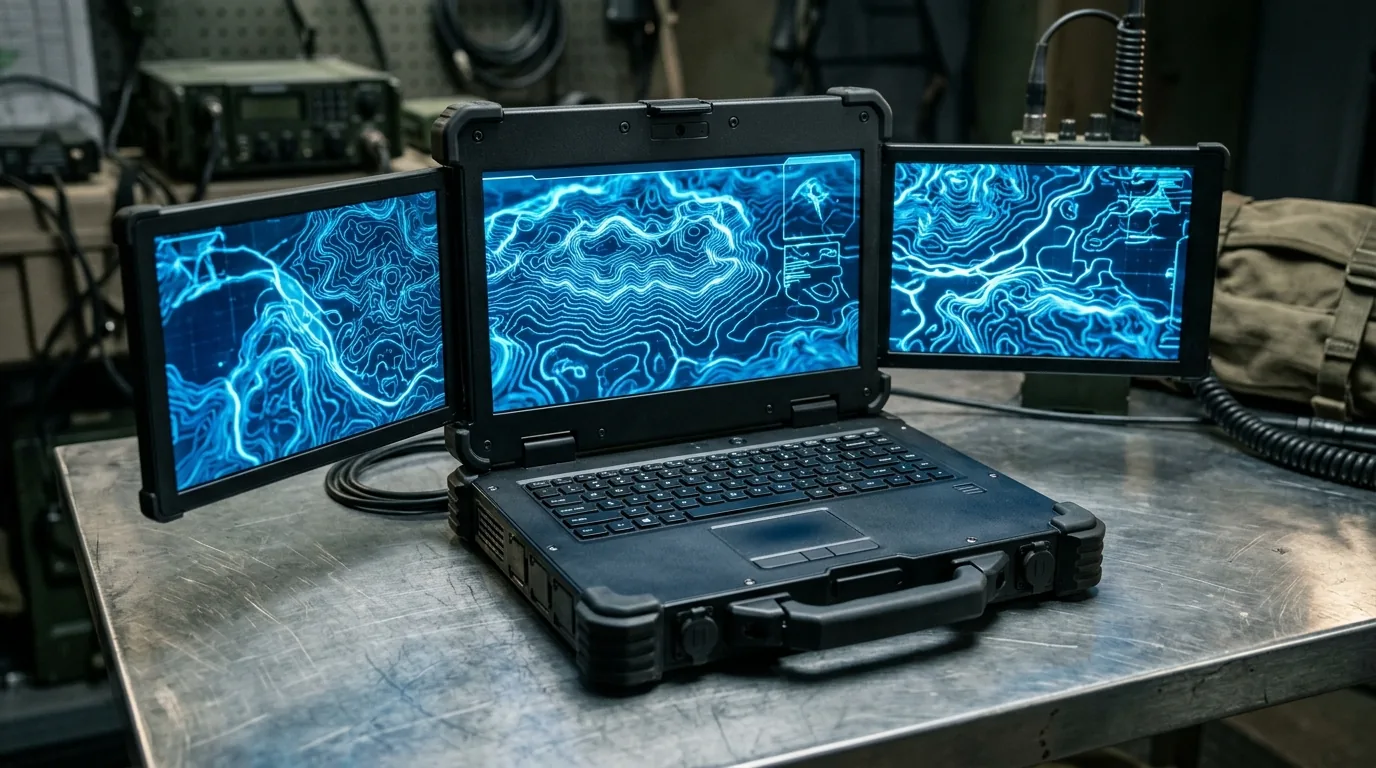
For field researchers and emergency personnel who already utilize tactical mobile setups, such as the triple-screen systems covered in our Durabook Z14I-DX3 edge AI workstation review, the Charm offers an ultra-lightweight secondary interface for rapid voice memos, field translations, and hands-free coordination.
By blending the nostalgic emotional appeal of a nineties virtual pet with multimodal cloud intelligence and standalone 5G connectivity, the Muse Charm presents the most compelling vision yet for dedicated post-smartphone consumer hardware. Whether consumers embrace a standalone keychain assistant will be decided when the first units reach pockets this December.
Frequently Asked Questions
What is the Meta Muse Charm?
The Meta Muse Charm is a pocket-sized, keychain-style standalone artificial intelligence gadget unveiled at Meta Connect 2026. It serves as a dedicated physical interface for Meta's multimodal Muse agent, featuring an animated virtual avatar, 5G connectivity, and voice interactions.
When will the Meta Muse Charm be released?
Meta announced that the Muse Charm is scheduled to begin commercial shipments in December 2026, targeted directly ahead of the holiday shopping window.
Does the Meta Muse Charm require a smartphone to function?
No, the device integrates an embedded standalone 5G RedCap cellular modem, allowing it to perform voice queries, cloud data retrieval, and location-based assistance without needing a companion smartphone or active Wi-Fi connection.
How do users interact with the Muse Charm?
Users activate the device by placing a finger on the edge capacitive fingerprint sensor, which simultaneously authenticates their identity and opens a directional microphone for voice commands, while the two-inch circular OLED screen renders visual feedback through the Jolly avatar.
How much will the Meta Muse Charm cost?
Meta has not yet officially published final retail pricing, but industry supply chain estimates anticipate a launch price point between 149 and 199 dollars.

Loading comments…